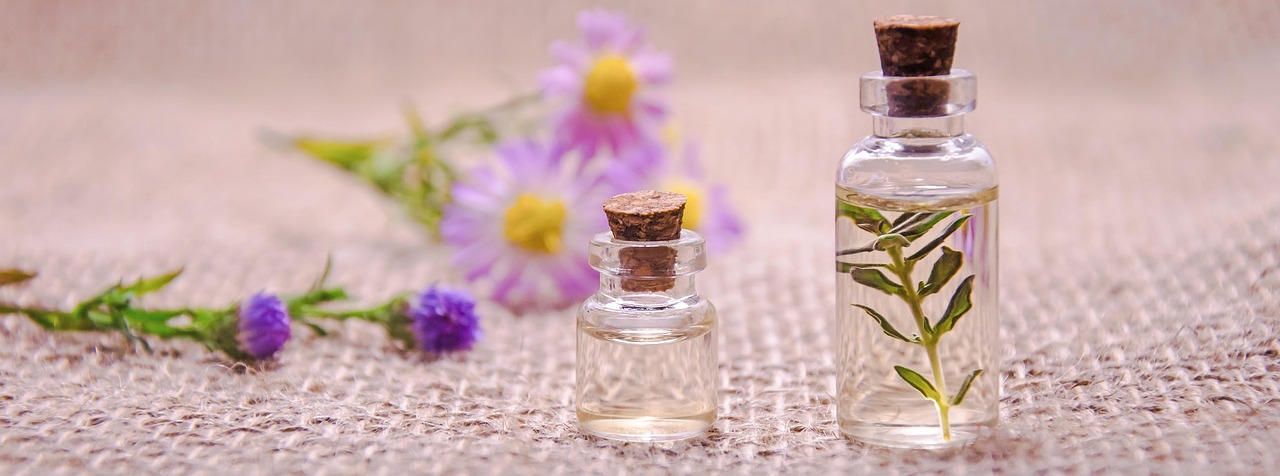
Mugwort Essential Oil vs Mugwort Infused Oil: Which Should You Buy or Make?
Two very different products share the mugwort name, and the confusion between them is understandable. Mugwort essential oil and mugwort infused oil look similar on a shelf, carry similar branding, and often target the same shopper. But they are made through completely different processes, carry different aromatic profiles, and suit different purposes. Choosing the wrong one for your routine is a real possibility if nobody explains the distinction clearly.
This guide breaks both options down honestly: what each is, how each is made, what you can do with it, and where each one falls short. By the end, you will have a clear sense of which belongs in your collection.
The Fundamental Difference: Extraction vs. Infusion
Mugwort essential oil is a concentrated aromatic extract. It is produced by steam distilling fresh or dried Artemisia plant material, most commonly Artemisia argyi or Artemisia vulgaris. The steam pulls volatile aromatic compounds out of the plant, and those compounds condense into a potent, fragrant oil. A small bottle contains the aromatic character of a surprisingly large quantity of plant matter.
Mugwort infused oil is something different entirely. A carrier oil, typically jojoba, sunflower, or fractionated coconut oil, is combined with dried mugwort herb and left to steep. The plant material slowly releases its fat-soluble compounds into the carrier over days or weeks. No steam. No distillation equipment. The result is a lightly herbaceous oil that retains the carrier's texture and weight.
The aromatic output of each is dramatically different. Mugwort essential oil is sharp, complex, and diffuser-ready. Mugwort infused oil is subtle, almost grassy, and better suited to skin-contact applications where you want a gentle herbal presence rather than a bold scent statement.
Comparison Table: Mugwort Essential Oil vs Mugwort Infused Oil
| Attribute | Mugwort Essential Oil | Mugwort Infused Oil |
|---|---|---|
| Production method | Steam distillation | Cold or warm maceration in a carrier oil |
| Concentration | Very high (volatile aromatic compounds) | Low to moderate (fat-soluble constituents) |
| Scent intensity | Strong, camphoraceous, herbaceous | Mild, softly herbal |
| Typical cost | Higher per ml; varies by source and chemotype | Lower; carrier cost plus herb cost |
| DIY accessible? | No; requires distillation equipment | Yes; straightforward at home |
| Shelf life | 2 to 3 years if stored correctly | Determined by the carrier oil used |
| Dilution required? | Yes; always dilute before skin contact | Already diluted; check carrier concentration |
| Best aromatic use | Diffusion, blending, fragrance work | Not typically used aromatically |
| Best topical use | In a blend, well diluted in a carrier | Direct skin application at appropriate concentrations |
| Label transparency | Species and origin matter greatly | Carrier type and herb sourcing both matter |
Mugwort Essential Oil: Pros and Cons
Pros
- Aromatic richness. The scent is complex and distinctive. It layers well in botanical perfumery and adds genuine herbal depth to diffuser blends.
- Versatility in formulation. A single bottle contributes to candles, room sprays, personal fragrance blends, and cosmetic formulations.
- Long shelf life. Stored in a cool, dark place with the cap sealed, a quality essential oil remains aromatic and usable for two to three years.
- Standardized concentration. You know you are working with a specific aromatic concentrate, which makes blending and dilution calculations straightforward.
Cons
- Cost. Good distilled mugwort oil is not cheap. The price reflects the volume of plant material required. For a closer look at what fair pricing signals about quality, see our mugwort oil price guide.
- Requires dilution. Essential oil should never be applied directly to skin without proper dilution in a carrier. A 1 to 2 percent dilution is a standard starting point for most cosmetic uses.
- Chemotype complexity. Not all mugwort essential oils are the same. Species, origin, and chemotype affect the aroma profile significantly. Reading labels carefully is non-negotiable. Our guide to reading a mugwort oil label is a useful starting point before you buy.
- Cannot DIY at home. You need industrial or semi-industrial distillation equipment to produce this yourself. Purchasing from a reputable supplier is the only practical option for most people.
- Not suitable during pregnancy. Mugwort essential oil is widely noted as contraindicated during pregnancy due to its thujone and camphor content. Consult a qualified healthcare provider before use if you have any concerns.
Mugwort Infused Oil: Pros and Cons
Pros
- DIY friendly. Making a mugwort infused oil at home requires only dried herb, a carrier oil, a clean jar, and patience. The process is accessible to anyone.
- Gentler aromatic profile. For people who find essential oil scents overwhelming, the softer herbal note of an infused oil can be more appealing in body care routines.
- Lower cost. Dried mugwort herb is inexpensive. Even a high-quality carrier oil keeps the total cost modest compared to a distilled essential oil.
- Already diluted. Because the mugwort is suspended in a carrier from the start, the product is inherently ready for skin contact use, assuming appropriate herb-to-oil ratios were used.
- Customizable. You choose the carrier oil. Jojoba suits facial formulations. Sunflower works well in body preparations. The choice of carrier shapes the final texture and skin feel.
Cons
- Limited aromatic impact. If you want to scent a space or create a meaningful fragrance blend, infused oil will disappoint. The volatile aromatic compounds that give essential oil its scent are largely absent.
- Variable potency. The strength of a homemade or commercially produced infused oil depends heavily on herb quality, steeping time, and the ratio of plant to carrier. Results are less predictable than a distilled product.
- Shelf life tied to carrier. Sunflower oil oxidizes faster than jojoba. If the carrier goes rancid, the whole product is lost. Storage conditions matter.
- Quality control at home requires attention. Moisture in the herb can introduce contamination during infusion. Thoroughly dried herb and a clean, dry jar are essential steps.
How to Make Mugwort Infused Oil at Home

If the infused oil appeals to you and you want to make your own, the process is approachable with a little care.
- Source quality dried mugwort. Look for herb that is fragrant, green-grey in color, and free of visible moisture. Wilted or musty herb produces poor results.
- Choose your carrier. Jojoba is a popular choice because of its long shelf life. Fractionated coconut oil is another stable option. Avoid oils prone to rapid oxidation if you plan to store the finished product for more than a few weeks.
- Cold maceration method. Fill a clean, dry jar loosely with dried mugwort. Pour your carrier oil over the herb until fully submerged. Seal and store in a cool, dark place for four to six weeks, shaking gently every few days.
- Warm maceration method. Combine herb and carrier in a double boiler or slow cooker set to very low heat (around 40 to 50 degrees Celsius). Maintain that gentle warmth for several hours. This accelerates extraction but requires attention to avoid overheating the oil.
- Strain and store. Use cheesecloth to strain thoroughly. Press the herb to extract remaining oil. Transfer to a dark glass bottle, label with the date and carrier used, and store away from heat and light.
Patch test before use. Even in an infused oil, some individuals may have sensitivities to Artemisia species. Apply a small amount to the inner forearm and wait 24 hours before broader use. Those with known sensitivities to plants in the daisy family (Asteraceae) should exercise particular caution and consult a healthcare provider.
Best For: Matching Each Option to Your Use Case
Choose mugwort essential oil if you want to:
- Diffuse a distinctive, herbaceous scent for evening wind-down rituals
- Blend a botanical personal fragrance with earthy, camphoraceous notes
- Add aromatic depth to candles, wax melts, or room sprays
- Work with a consistent, concentrated aromatic ingredient in cosmetic formulations
- Explore mugwort's aromatic character before committing to a larger project
Choose mugwort infused oil if you want to:
- Incorporate a gentle herbal oil into a body or hair care routine
- Keep costs low while exploring mugwort in your formulations
- Make your own product at home with minimal equipment
- Work with a product that is already in a carrier and ready for skin contact use
- Prioritize a soft, subtle scent over a bold aromatic statement
What About Buying a Commercially Made Infused Oil?

Commercial mugwort infused oils exist, and some are well made. The same sourcing principles that apply to essential oil purchases apply here. You want to know what carrier was used, where the mugwort herb was grown, and how the product was processed and stored. Transparency on the label is a positive sign. Vague or absent information is a reason to look elsewhere. Our broader guide on how to buy mugwort oil covers sourcing standards that apply across both product types.
Can You Use Both?
Absolutely. Many people keep both in their collection and use them for different purposes. A mugwort infused oil in jojoba might feature in a facial massage ritual, while a few drops of mugwort essential oil scent a bedtime diffuser blend. The two products do not compete so much as occupy different roles in a well-stocked botanical toolkit.
The Verdict
For aromatic and diffuser use, mugwort essential oil has no competition from its infused counterpart. The scent simply is not there in an infused oil, and that is fine because infused oil was never designed for that purpose.
For skin-contact and body care applications, mugwort infused oil is often the more practical choice, especially for those new to working with mugwort or those on a budget. It is forgiving, customizable, and genuinely easy to make at home.
If you are drawn to mugwort primarily for its aroma and want to explore it in fragrance or atmospheric rituals, start with the essential oil. If your interest is in incorporating mugwort into a simple topical routine and you enjoy a DIY project, the infused oil is where to begin. Neither is superior in the abstract. The better product is whichever one serves the specific thing you are actually trying to do.