DIY Mugwort Dream Pillow and Sachets: A Craft Rooted in Tradition
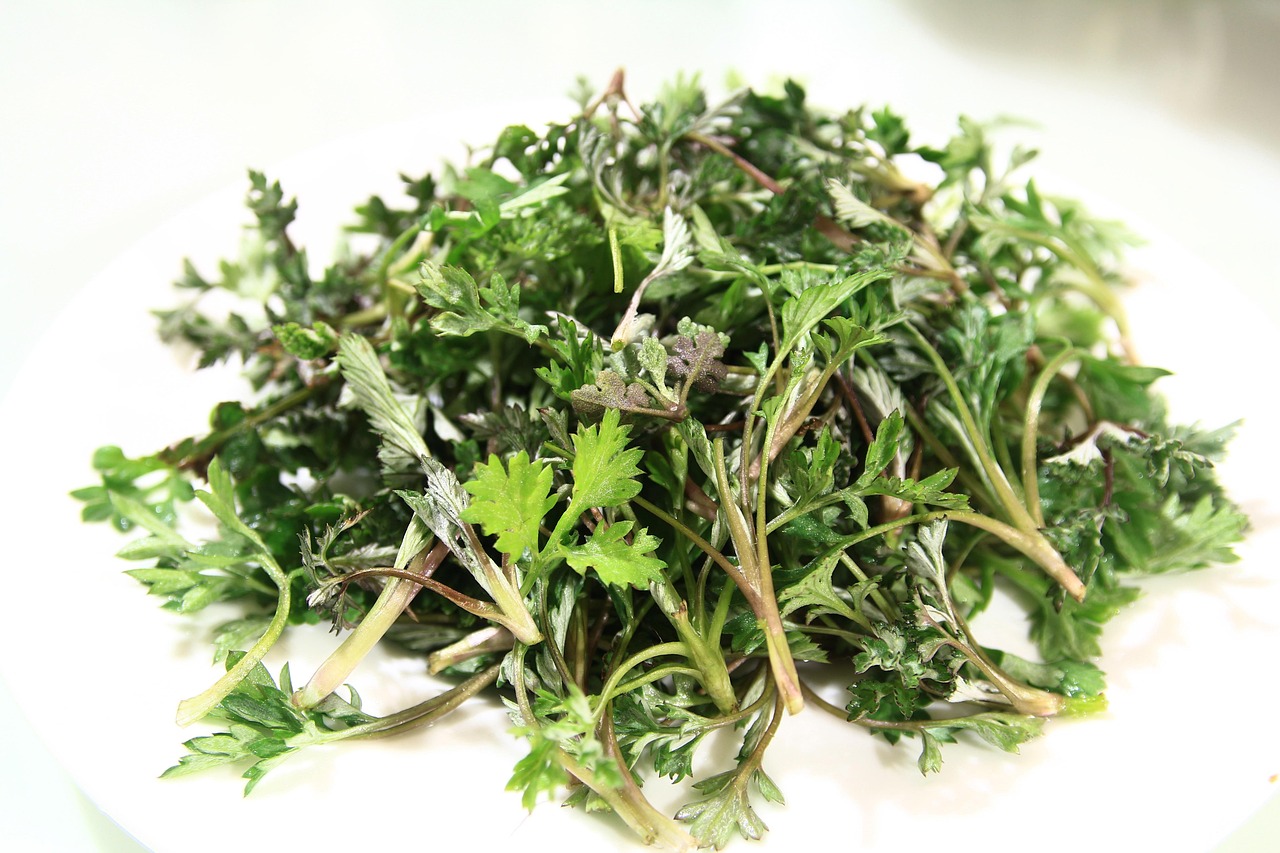
Mugwort has traveled a long road through human culture. Tucked into sleeping chambers in medieval Europe, woven into the shoes of Roman soldiers, and honored in East Asian ritual, Artemisia vulgaris carries one of the most layered folk histories of any plant. The dream pillow is perhaps its most poetic application: a small cloth bundle, softly fragrant, slipped beneath a pillowcase to scent the hours before sleep. This guide walks you through making one at home, with an optional boost of mugwort essential oil for a more lasting fragrance presence.
No specialized equipment is needed. The project suits a slow weekend afternoon and produces something genuinely beautiful to keep or give.
Before You Begin: A Note on Tradition and Intention
Dream pillows exist across dozens of folk traditions. The specific herbs varied by region and availability, but mugwort appears with striking frequency. Herbalists and cunning folk historically placed it near the bed, burned it as part of evening rituals, or sewed it into small cloth cases. Today, crafters continue this practice for its scent, its tactile pleasure, and the quiet ritual quality of making something by hand.
This is a fragrance and craft project. It is not a substitute for professional support, and it does not identify, address, or prevent any condition. If you have health questions, please speak with a qualified healthcare provider.
Project Overview
- Difficulty: Beginner-friendly (basic sewing required for the pillow version; no sewing needed for tie-close sachets)
- Active prep time: 30 to 45 minutes
- Drying or cure time: None required; use immediately or allow 24 hours for the essential oil to fully absorb into the dried plant matter
- Yield: One 4 x 6 inch dream pillow plus two small sachets, or four sachets if you skip the pillow format
Ingredients and Materials
Dried Herb Blend (fills one pillow and two sachets)
- 1 cup dried mugwort (Artemisia vulgaris), crumbled gently
- 1/2 cup dried lavender buds
- 1/4 cup dried rose petals (optional, adds softness to the scent profile)
- 1/4 cup dried chamomile flowers (optional)
- 2 tablespoons dried lemon balm leaves (optional, brightens the overall fragrance)
- 2 tablespoons orris root powder (acts as a natural fixative to extend scent longevity)
Essential Oil Boost (optional but recommended)
- 8 to 12 drops mugwort essential oil
- 4 drops clary sage essential oil (optional, rounds out the earthy quality of the mugwort beautifully; see our Hedgerow Dusk signature blend for inspiration)
Fabric and Sewing Supplies
- Linen, cotton muslin, or cotton velvet fabric, pre-washed
- For the dream pillow: two pieces cut to 5 x 7 inches (allows a 1/2-inch seam; finished size will be approximately 4 x 6 inches)
- For two small sachets: four pieces cut to 4 x 4 inches each, or pre-made muslin drawstring bags (3 x 4 inches works well)
- Needle and thread, or a sewing machine
- Ribbon or twine for sachet ties
- Scissors, pins, a mixing bowl, and a wooden spoon or gloved hands
Step-by-Step Instructions
Step 1: Prepare the Herb Blend
Combine the dried mugwort, lavender, and any optional botanicals in a clean glass or ceramic bowl. Stir gently so the herbs mix without pulverizing into dust. Add the orris root powder and stir again. Orris root is the fixative here: it binds fragrance molecules and noticeably extends how long the sachet stays aromatic.
Step 2: Add the Essential Oils (Optional)
If you are using essential oils, add them now. Drizzle the drops over the herb mixture a few at a time, stirring between additions so the oil distributes rather than pooling in one spot. The dried plant matter will absorb the oil within a few minutes.
Cover the bowl loosely with a cloth and set it aside for at least 30 minutes, or overnight if time allows. This rest period lets the scent integrate before you seal everything inside fabric.
Step 3: Sew the Dream Pillow Shell
Place your two 5 x 7-inch fabric pieces together, right sides facing inward. Pin the edges. Sew around three sides with a 1/2-inch seam allowance. Leave the fourth short side open for filling. Trim the corners at a diagonal (do not cut through the stitching) to reduce bulk when you turn it right-side out.
Turn the pillow shell right-side out and press lightly with an iron if your fabric is linen or cotton.
Step 4: Fill the Pillow and Sachets
Spoon the herb blend into the pillow shell until it is about two-thirds full. A lightly filled pillow lays flatter and tucks more comfortably under a pillowcase. Fold the raw edges of the open end inward and stitch it closed by hand with a slip stitch, or machine-sew it shut.
For the sachets, fill each pre-made drawstring bag or sewn fabric square with 3 to 4 tablespoons of the blend. Tie closed with ribbon or twine. These smaller sachets work well in a drawer, a linen closet, a travel bag, or a coat pocket.
Step 5: Label and Store
If you are gifting the sachets, add a small tag with the ingredients listed. Anyone receiving them should know what botanicals are inside before placing them in a sleeping environment.
Safety Information
Please read this section before making or using the project.
Essential Oil Safety
The essential oil in this project remains inside the fabric sachet and is not applied to skin. Even so, a few important points apply:
- Mugwort essential oil contains thujone and other compounds that can be sensitizing. Keep all essential oils, including the finished sachets, away from infants, young children, and pets. Cats and dogs are particularly sensitive to aromatic compounds.
- If you handle the herb blend with bare hands while the essential oil is still wet, wash your hands thoroughly afterward. If you have sensitive skin, wear nitrile gloves during mixing.
- Do not place a sachet or pillow directly against bare skin for extended periods.
- If you notice any skin irritation after handling the materials, discontinue contact and rinse the affected area with water.
Contraindications for Handling Mugwort
People who are pregnant or who may become pregnant should avoid handling mugwort in any form, including the dried herb and the essential oil. Mugwort has a long history of use in traditional practices specifically because of its effects on the uterus, which makes it inappropriate during pregnancy. Those with known sensitivities to plants in the Asteraceae family (which includes ragweed, chrysanthemums, and daisies) should exercise additional caution, as cross-sensitivity is possible. When in doubt, consult a qualified healthcare provider before working with mugwort botanicals.
Patch Testing for Scent Sensitivity
Although this project is not a topical application, scent sensitivity is real. Before placing a pillow under your pillowcase for a full night, spend 15 to 20 minutes in the same room with the sachet nearby. If you notice any discomfort, headache, or irritation, this particular blend may not suit you. Try reducing or eliminating the essential oil addition and relying solely on the dried herbs for a gentler aromatic presence.
Storage Instructions and Shelf Life
Store finished sachets and pillows in a cool, dry place away from direct sunlight. Exposure to heat and UV light degrades both the essential oils and the dried botanicals more quickly.
- Dried herb blend (unmade): Keeps well in a sealed glass jar for up to 12 months.
- Finished sachets and pillows: The scent remains noticeable for 3 to 6 months with typical use. Longevity varies depending on whether you used orris root fixative and how much essential oil was added.
- Refreshing the scent: When the fragrance fades, open a seam slightly and add 2 to 3 fresh drops of mugwort essential oil directly onto the herb filling. Reseal and allow 24 hours before using again.
Variations and Substitutions
For a More Resinous, Earthy Scent
Add 1 tablespoon of dried cedar tips or a small piece of dried palo santo shavings to the herb blend. Substitute 2 drops of cedarwood essential oil for one of the optional clary sage drops. This version works especially well in sachets meant for a wardrobe or linen closet. For more ideas on building complex aromatic profiles with mugwort, see our guide on using mugwort oil in fragrance and craft projects.
For a Lighter, Greener Scent
Reduce the mugwort to 1/2 cup and supplement with 1/2 cup dried spearmint or peppermint leaves. Omit the clary sage oil and replace with 3 drops of bergamot (bergapten-free if any skin contact is expected). This variation has a fresher quality that suits spring and summer use.
No-Sew Sachet Option
Use pre-made unbleached muslin drawstring bags, available at most craft suppliers. Fill, tie, and done. These work just as well as sewn sachets for drawer use, and they are easy to open for herb refreshing. No skill with a needle required.
Pairing with Smoke Rituals
If you enjoy combining aromatic formats, a mugwort sachet pairs naturally with a brief evening burning ritual using dried mugwort bundles. Our article on making mugwort incense and herb bundles covers the process in full detail.
Fabric Choices and Their Effect
Linen allows the fragrance to breathe through slowly and evenly, which makes it the preferred choice for the pillow format. Cotton velvet or brocade holds scent closer and releases it more softly, which suits decorative sachets displayed in a room rather than tucked into a pillowcase. Avoid synthetic fabrics entirely: they do not allow the herb oils to off-gas properly and can trap moisture.
Tips for Sourcing Quality Ingredients
The finished craft is only as good as what goes into it. For dried mugwort, look for material that is still silvery-green with intact leaf structure. Dusty, brown, or compacted herb has likely lost most of its aromatic value. For the essential oil, choose a supplier who provides the botanical name (Artemisia vulgaris), country of origin, and ideally a GC/MS report. Mugwort oil varies considerably by distillation source: some batches lean more toward a clean, almost green-camphoraceous note, while others carry a warmer, slightly sweet earthiness. Both are genuine expressions of the plant, just from different growing regions and harvest times.
Making a mugwort dream pillow or herbal sachet DIY is a small act with deep roots. The scent of Artemisia vulgaris has been part of human evening ritual for centuries. Bringing it into a modern home, stitched into a square of linen with care, is a way of participating in something much older than the individual project itself.