What Is Mugwort Essential Oil? The Complete Guide to an Old-World Botanical
What Is Mugwort Essential Oil?
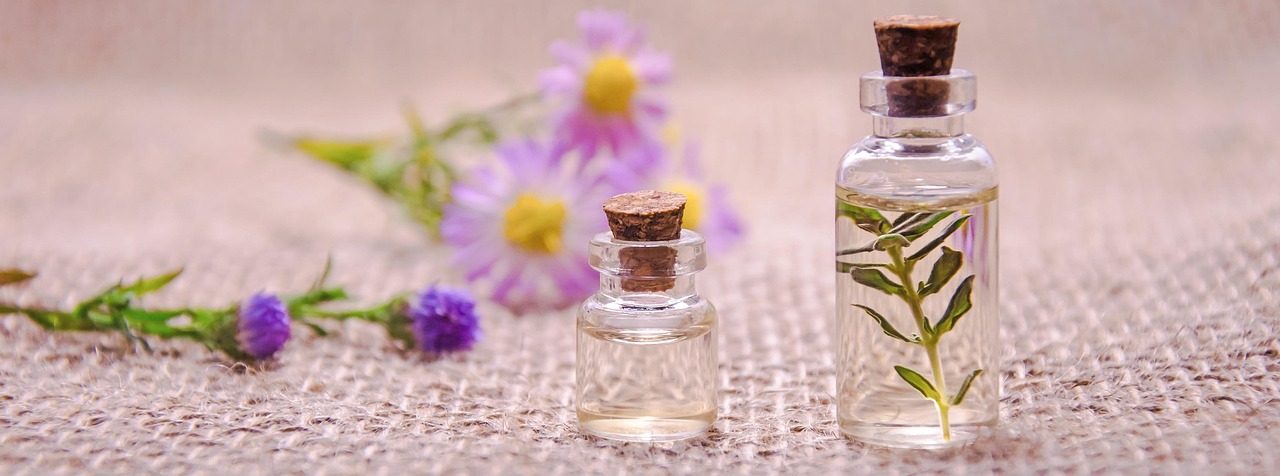
Mugwort essential oil is a volatile aromatic extract captured from Artemisia vulgaris, one of the most storied herbs in the botanical world. Ask a perfumer, a folklore scholar, and a home aromatherapist what mugwort oil means to them and you will get three different answers. That range of perspective is part of what makes this oil so fascinating.
At its simplest, mugwort oil is an essential oil like any other: a concentrated, lipophilic liquid pulled from plant material through distillation. What sets it apart is character. The aroma is not soft or immediately approachable. It is green, slightly bitter, camphorous, and layered with an almost medicinal undertone that botanical writers have struggled to pin down for centuries. It is the smell of a wild hedgerow at dusk, of old herbarium drawers, of something that feels genuinely ancient.
People searching for what is mugwort oil often arrive with very different intentions. Some are fragrance blenders looking for a distinctive green base note. Others are crafters drawn in by the plant's mythological reputation. Still others have read about the herb in folklore texts and want to understand the aromatic version. This guide covers all of that ground, honestly and in detail.
One important framing note before we begin: mugwort essential oil is discussed here strictly in its aromatic, cosmetic, and craft contexts. It is not a supplement, and it is not a substitute for professional medical guidance. Any historical or traditional references that follow are offered as cultural and botanical education, not as endorsements of specific wellness outcomes.
Botanical Origins: Meet Artemisia vulgaris
The Plant Behind the Oil
Artemisia vulgaris is a herbaceous perennial in the Asteraceae family, the same sprawling family that includes daisies, chamomile, and yarrow. It grows readily across temperate zones of Europe, Asia, and North America, often volunteering along roadsides, riverbanks, and disturbed ground. Gardeners sometimes call it a weed. Botanists and historians call it something considerably more interesting.
The plant reaches one to two meters in height under good conditions. Its leaves are deeply lobed, dark green on top, and covered on the underside with fine silver-white hairs that catch the light in a way that has captured human attention for millennia. The stem is reddish-purple, angular, and aromatic when bruised. Tiny, inconspicuous flowers appear in late summer, reddish-brown and clustered along branching stems.
The genus Artemisia is enormous, with over 500 recognized species worldwide. The name honors Artemis, the Greek goddess of the hunt and the moon, though some botanical historians point to Queen Artemisia II of Caria as an alternative inspiration. Either way, the name signals a plant with a long and storied relationship to human culture.
Chemotypes and Regional Variation
Here is something that catches many buyers off guard: not all mugwort essential oil is identical. Artemisia vulgaris expresses distinct chemotypes depending on where it grows, the local soil and climate, and when it is harvested. A chemotype is essentially a chemical variety within the same species, plants that look nearly identical but produce meaningfully different aromatic compounds.
The most significant variation for essential oil buyers involves thujone content. Some chemotypes produce oil high in alpha-thujone and beta-thujone, the ketones most associated with mugwort's characteristic sharpness (and most associated with its safety considerations). Others lean toward camphor, cineole, or linalool as dominant constituents, resulting in a softer, less intensely bitter aroma profile.
Chinese-sourced mugwort oil (sometimes distilled from Artemisia argyi, a closely related species) often reads quite differently in the bottle from European-sourced Artemisia vulgaris oil. Neither is wrong, but they are not interchangeable for blending purposes. A reputable supplier will specify the botanical species, chemotype if known, country of origin, and part of plant used. If that information is absent from a product listing, proceed with caution.
Related Artemisia Species
The Artemisia genus includes several other well-known aromatics worth distinguishing from mugwort. Wormwood (Artemisia absinthium) is the most commonly confused relative, and it matters because wormwood oil carries an even higher thujone profile and a sharper safety profile than most mugwort oils. Tarragon (Artemisia dracunculus) is a culinary herb whose essential oil is high in estragole rather than thujone. Clary sage is sometimes loosely grouped with the artemisias in popular writing, but it belongs to the mint family entirely.
When you see a product labeled simply as "artemisia oil," ask which species. The difference is not cosmetic; it shapes aroma, blending behavior, and handling requirements.
How Mugwort Oil Is Made
Steam Distillation: The Standard Method
The overwhelming majority of commercial mugwort essential oil is produced by steam distillation, the same extraction method used for lavender, peppermint, and most other mainstream essential oils. Understanding the basics of that process helps buyers evaluate what they are purchasing.
In steam distillation, plant material is loaded into a still chamber. Steam passes through the plant matter, volatilizing the aromatic compounds stored in the plant's glands and tissues. That aromatic steam travels through a condenser, where it cools and separates into two layers: the essential oil and the hydrosol (aromatic water). The essential oil is siphoned off, tested, and bottled. The hydrosol is often retained and sold separately.
For a deeper look at the full process as it applies specifically to this botanical, see our detailed article on how mugwort oil is made through steam distilling Artemisia vulgaris.
Which Part of the Plant Is Distilled?
Most commercial mugwort oil is distilled from the aerial parts of the plant: leaves, stems, and flowering tops. The ratio of leaves to flowering material at harvest, and the timing of that harvest, influence the final aroma significantly. Oil distilled from plants harvested just as flowering begins tends to be richer and more complex than oil from older, fully-flowered material. Roots are occasionally distilled but are less common and produce a distinct profile.
Yield, Rarity, and Price
Mugwort does not produce essential oil in the generous quantities that lavender or eucalyptus do. Extraction yields are modest, which contributes to pricing that sits noticeably above commodity oils. An exceptionally cheap bottle of mugwort oil warrants skepticism: adulteration with other artemisia species, synthetic aromatic compounds, or carrier oil is not unheard of in the lower price brackets of the market.
A reasonable retail price for a 5 ml bottle of genuine, unadulterated mugwort essential oil from a reputable supplier typically reflects the cost of proper sourcing, GC/MS testing, and transparent labeling. Buyers who compare prices across suppliers and choose the lowest price without checking credentials may find themselves with something that does not behave as expected in the bottle.
The Scent Profile: What Mugwort Oil Smells Like
First Impressions
Open a bottle of genuine mugwort essential oil and the first impression is immediate and assertive. There is nothing shy about this aroma. A sharp, green, slightly camphorous top note rises quickly, followed almost immediately by something bitter and herbaceous that sits at the back of the nose. Then, as the initial sharpness softens slightly, something more complex emerges: a faintly earthy, almost resinous undertone that keeps the aroma from reading as merely harsh.
Perfumers often place mugwort oil in the same mental category as wormwood, artemisia, and galbanum: "challenging" green notes that require skill to balance but contribute extraordinary depth when handled thoughtfully. It is not a crowd-pleasing top note. It is a character note, the kind that makes a finished blend memorable rather than merely pleasant.
Aroma Descriptors by Stage
| Stage | Primary Descriptors | Intensity |
|---|---|---|
| Top note (first 10-15 minutes) | Camphorous, sharp green, faintly medicinal | High |
| Heart note (15-60 minutes) | Bitter herb, dry green, slightly smoky | Medium-High |
| Base/dry-down (1+ hours on skin or blotter) | Earthy, resinous, faintly sweet, moss-like | Low-Medium |
Blending Suggestions
Mugwort oil does not need a long partners list to perform well in a blend. It needs the right partners. Oils that complement it include: cedarwood (which grounds the sharpness), clary sage (which adds a softer herbaceous counterpoint), vetiver (which deepens and anchors the earthy dry-down), frankincense (which adds resinous warmth), and black spruce or silver fir (which amplify the forest-green quality without competing with it).
Floral oils generally need careful calibration alongside mugwort. Rose absolute, used sparingly, can create a genuinely stunning contrast: bitter-green against velvety-sweet. Ylang ylang tends to clash unless present in very small proportions.
For a much more detailed exploration of the aroma from multiple angles, including comparison to related artemisia species and suggestions from experienced blenders, visit our full piece on what mugwort oil smells like: a full bitter-green scent profile.
Chemical Composition and Key Constituents
A Complex Aromatic Matrix
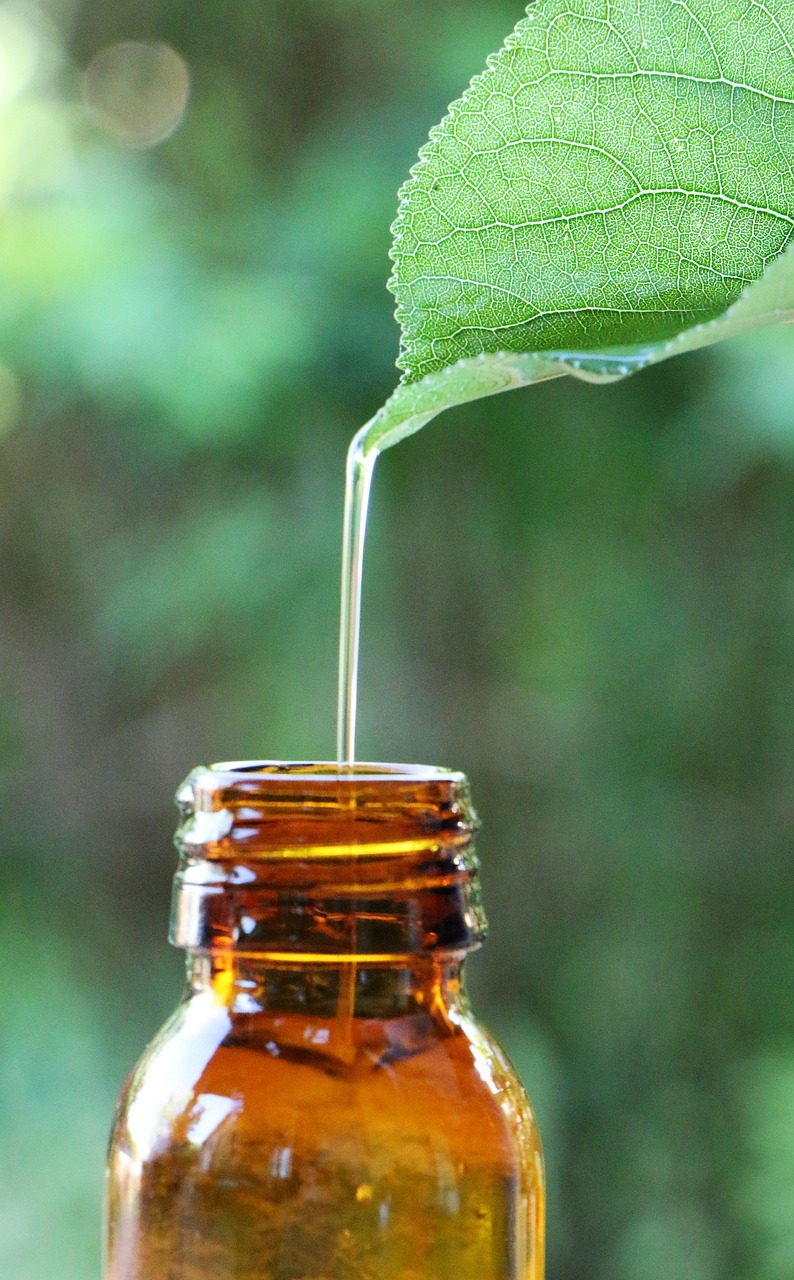
Essential oils are not single compounds. Mugwort oil is a complex mixture of dozens of volatile organic molecules, and the relative proportions of those molecules shift depending on species, chemotype, growing region, harvest timing, and distillation parameters. That complexity is part of what makes the oil interesting to work with and part of what demands that buyers read GC/MS (gas chromatography/mass spectrometry) reports carefully.
That said, several constituent groups appear consistently across most commercial mugwort oils and are worth understanding.
Thujone: The Constituent That Defines the Conversation
Alpha-thujone and beta-thujone are monoterpene ketones that appear in significant concentrations in many mugwort oil chemotypes. They are responsible for the oil's characteristic sharp, camphorous sharpness, and they are the primary reason mugwort oil carries more substantial safety considerations than, say, lavender or bergamot.
Thujone is the same compound associated with wormwood and, historically, with absinthe. Its presence does not make mugwort oil dangerous when handled responsibly, but it does mean that responsible handling is genuinely necessary rather than optional. More on that in the safety section below, and in our full deep-dive on mugwort oil safety, thujone, dilution, and why caution matters.
Camphor
Many mugwort oil samples show notable camphor content, which contributes to the distinctive cool, slightly sharp quality in the top note. Camphor also influences how the oil behaves in diffusion: it is highly volatile and disperses quickly through a space, which is one reason even small amounts of mugwort oil make an atmospheric impression.
1,8-Cineole
Cineole (also called eucalyptol) appears in variable concentrations across different mugwort chemotypes. Its presence softens the overall aromatic profile somewhat, adding a clean, slightly cool quality that offsets the bitterness. Oils higher in cineole are generally considered more approachable for blending beginners than high-thujone variants.
Linalool and Borneol
Some mugwort oils, particularly those from specific regional chemotypes, show meaningful linalool content, which contributes a softer, more floral quality. Borneol adds a woody, slightly earthy note. Neither is dominant in most commercial samples, but their presence or absence shapes the character of a specific batch considerably.
Other Monoterpenes and Sesquiterpenes
Beyond the major constituents above, mugwort oil contains a supporting cast of monoterpenes (sabinene, beta-pinene, and others) and sesquiterpenes that contribute to its characteristic complexity and longevity on the blotter. The sesquiterpene fraction in particular is responsible for the deeper, earthier qualities that emerge in the dry-down.
A note on GC/MS reports: When purchasing mugwort essential oil, always request or look up the GC/MS report for that specific batch. Reputable suppliers post these reports openly. They confirm species authenticity, flag adulteration, and show you exactly which constituents (and in what proportions) you are working with. Buying without a GC/MS report is buying blind.
Traditional Uses and Folklore
A Plant Woven Into Human History
To understand mugwort oil, it helps to understand the plant it comes from. Artemisia vulgaris has one of the longest and most geographically widespread relationships with human culture of any herb in the botanical record. References to it appear in European folk traditions, Chinese classical botanical literature, Japanese ceremonial practice, and Indigenous North American knowledge systems. The essential oil is a relatively modern concentrate of something people have engaged with in various forms for a very long time.
For a rich exploration of the stories, rituals, and historical documentation surrounding this plant, visit our dedicated article on mugwort in folklore: centuries of tradition behind the silver herb.
European Traditions
In medieval European herbalism, mugwort occupied a prominent place. It was associated with travel protection, with lucid dreaming, and with Midsummer rituals. Anglo-Saxon texts list it as one of the "Nine Sacred Herbs," a group of plants considered especially significant in early medieval botanical culture. Bundles of dried mugwort were hung in doorways, tucked into shoes for long journeys, and incorporated into smoke-based ritual practices across many regional traditions.
The plant's connection to the moon, via its Artemis-derived name and its traditional association with night-time practices, made it a recurring feature in the symbolism of herbalists who organized plants according to planetary correspondences. In that framework, mugwort was emphatically a moon plant: silver-backed, nocturnal in its symbolic associations, and connected to the liminal spaces between sleeping and waking.
Asian Traditions
In Chinese and Japanese botanical traditions, mugwort holds a distinct and highly valued position. In Chinese practice, dried and processed mugwort material (known as moxa or moxibustion material) has been used for centuries in specific ceremonial and traditional contexts. The connection to the aromatic plant is direct: the same species, or its close relative Artemisia argyi, processed very differently.
In Japan, mugwort (known as yomogi) is woven into food culture as well as ceremonial practice. Yomogi mochi, a rice cake incorporating mugwort, is a traditional springtime food. The aromatic presence of the plant in Japanese culture is as much culinary and seasonal as it is symbolic.
What the Folklore Means for the Oil
Understanding this backdrop changes how many people engage with mugwort essential oil. For fragrance blenders, the folklore is background color: atmospheric and interesting but secondary to the chemistry. For ritual crafters, the history is central to the appeal. For curious buyers who simply want to understand what they are holding, the centuries of human engagement with this plant offer a kind of orientation that raw chemistry cannot provide.
The essential oil cannot replicate every dimension of the fresh plant, the dried herb, or the smoke of burning mugwort bundles. But it carries the same botanical signature in concentrated aromatic form, and for many people that connection to something genuinely old-world is a significant part of its appeal.
Modern Uses in Fragrance, Craft, and Ritual
The Fragrance Blending Context
Contemporary independent perfumers have shown growing interest in mugwort oil over the past decade. The trend toward "green" and "botanical" fragrance directions has opened space for challenging herbal notes that an earlier generation of mainstream perfumery would have sidelined. Mugwort fits squarely into that movement.
It works particularly well as a supporting note in chypre-inspired compositions, in forest and woodland accords, in masculine-leaning herbaceous blends, and in what perfumers sometimes call "dark green" fragrances: compositions built on the aromatic vocabulary of shadow, earth, and bracken rather than sunshine and florals. A little goes a long way. In most compositions, mugwort oil functions best at 1-5% of the total formula, allowing it to add character without overwhelming more delicate notes.
Candle Making and Wax Products
Mugwort oil's bold aromatic character translates well to candles, particularly soy and beeswax formulations. The camphorous top note can soften somewhat in wax, leaving the more complex heart and base notes to carry the burn experience. Blending with cedarwood, vetiver, or clary sage before incorporating into wax produces some very compelling results.
Fragrance load in candles is a separate consideration from diffusion or skin applications. Standard candle fragrance guidelines and the IFRA/RIFM recommendations for candle use should be consulted before finalizing any formulation.
Room Diffusion and Atmospheric Use
Diffusing mugwort oil is one of the most accessible entry points for people new to the botanical. The aroma transforms a space quickly and distinctively. Many people describe the experience as evoking wild countryside, ancient libraries, or ceremonial spaces. It is not an everyday ambient fragrance for most noses, but as an occasional atmospheric choice, particularly during autumn or in the context of intentional evening rituals, it is quite striking.
Recommended starting point for diffusion: 2-3 drops of mugwort oil in a standard ultrasonic diffuser, blended with 3-4 drops of cedarwood or frankincense. Diffuse for no more than 30-60 minutes at a time. Ensure the space is ventilated, and keep children, pregnant individuals, and pets out of the diffusion area.
Ritual and Ceremonial Crafts
For crafters working in the tradition of herbal lore, mugwort oil offers a practical way to bring the plant's aromatic signature into creations without working with the raw plant. It can be incorporated into beeswax-based ritual candles, used to scent dream pillows (with appropriate dilution into a carrier), or added sparingly to incense bases.
The symbolism many crafters attach to mugwort, its traditional associations with dreams, liminal spaces, and protective lore, makes it a natural fit for products oriented toward evening wind-down rituals or reflective moments. The aroma itself is evocative in exactly the ways those contexts call for.
Cosmetic Formulation (With Important Caveats)
Mugwort oil does appear in some cosmetic formulations, most commonly in small concentrations within rinse-off products or in contexts where its aromatic contribution is the primary goal. Its high thujone content makes it unsuitable for leave-on skin applications at anything beyond very low dilutions, and many formulators choose to avoid it in direct skin products entirely in favor of mugwort hydrosol or mugwort-infused carrier oils, which carry a much gentler profile.
Any cosmetic formulation incorporating mugwort essential oil should be developed with reference to current IFRA guidelines and preferably with input from a qualified cosmetic formulator.
For a broader survey of how mugwort oil shows up in creative and traditional applications, see our full article on 15 fragrance, craft, and tradition-inspired mugwort oil uses.
Safety, Quality, and Sourcing
Why Mugwort Oil Requires More Attention Than Most
Most essential oil safety conversations follow a fairly standard script: dilute properly, patch test, keep away from children, consult a professional if in doubt. Mugwort oil follows all of those same principles, and then adds a few more specific considerations on top.
The thujone content in many mugwort oil chemotypes places it in a category of essential oils that aromatherapy safety educators sometimes call "oils requiring significant caution." That phrasing is not meant to alarm; many beloved and widely used essential oils carry their own specific cautions. It is meant to signal that mugwort oil is not an appropriate choice for casual, uncritical use.
Key Safety Considerations at a Glance
- Dilution: If used in any skin-contact formulation, keep dilution rates conservative. Many aromatherapy educators suggest maximum dilutions well below the standard 2-3% used for gentler oils. Some recommend 0.5% or below for leave-on applications, if using at all.
- Contraindications: Mugwort oil is generally considered inappropriate for use during pregnancy. It is also generally avoided in formulations intended for use around young children. Individuals with specific health conditions should consult a qualified healthcare provider before any use.
- Inhalation exposure: Even diffusion in enclosed spaces warrants attention. Extended or intense inhalation of high-thujone oils is not advisable. Diffuse with ventilation and take breaks.
- Oral use: Consuming essential oils internally is outside the scope of this guide, and mugwort oil in particular should never be taken orally without explicit guidance from a qualified health professional.
- Sensitization: As with any essential oil rich in ketones, repeated exposure to undiluted or improperly diluted mugwort oil carries a sensitization risk.
For a thorough, honest look at the safety profile of this oil, including what the research literature says about thujone and how to work with this oil responsibly, read our dedicated safety guide: mugwort oil safety: thujone, dilution, and why caution matters.
How to Evaluate Quality When Buying
The essential oil market is large, global, and unevenly regulated. Mugwort oil specifically sits in a niche segment where quality variation is pronounced. Here is what to look for in a supplier:
| Quality Indicator | What to Look For | Red Flag |
|---|---|---|
| Botanical labeling | Full Latin name (Artemisia vulgaris or specified species), plant part, country of origin | "Mugwort oil" with no further specification |
| GC/MS report | Batch-specific report available on request or posted publicly | "Tested" claimed but no report available |
| Extraction method | Steam distillation specified | Vague or absent extraction information |
| Price point | Consistent with market norms for a lower-yield botanical | Dramatically below market price |
| Supplier transparency | Sourcing information, supplier name, batch traceability | No sourcing information at all |
| Storage and packaging | Dark glass bottle, sealed cap, stored away from heat and light | Clear plastic bottle, no UV protection |
Storage and Shelf Life
Mugwort essential oil, like most essential oils with significant monoterpene and ketone content, benefits from proper storage. Keep bottles sealed, in a cool and dark location, away from direct sunlight and heat sources. Properly stored, mugwort oil retains its characteristic aroma for two to three years from the distillation date. Oil that has oxidized will smell flatter and harsher, and oxidized essential oils should not be used on or near skin.
Refrigeration is an option for extending shelf life, but bring the bottle to room temperature before opening to minimize condensation inside the bottle.
Frequently Asked Questions About Mugwort Essential Oil
Is mugwort essential oil the same as artemisia oil?
Not necessarily. "Artemisia oil" is an informal term that could refer to oils from any number of Artemisia species, including wormwood (Artemisia absinthium), tarragon (Artemisia dracunculus), or others. When purchasing, always verify the exact Latin binomial to confirm you are receiving Artemisia vulgaris oil specifically.
Can I apply mugwort oil directly to skin?
No. Like all essential oils, mugwort oil should never be applied to skin without dilution in a suitable carrier oil. Given its specific constituent profile, many aromatherapy educators recommend particularly conservative dilution rates or avoiding direct skin application altogether. Consult a qualified aromatherapy professional or cosmetic formulator before incorporating it into skin-contact products.
What does mugwort oil smell like compared to lavender?
The two are almost opposite in aromatic character. Lavender oil is soft, floral, and widely considered immediately approachable. Mugwort oil is sharp, bitter-green, and camphorous: a challenging, complex aroma that takes time to appreciate and works best as an accent rather than a solo note. Comparing them is a bit like comparing a wildflower meadow to a dense autumn hedgerow.
Is mugwort oil safe to diffuse?
Mugwort oil can be diffused in well-ventilated spaces with appropriate precautions. Keep diffusion sessions short (30-60 minutes), ensure air circulation, and keep the space clear of pregnant individuals, young children, and pets during diffusion. Start with very small quantities (2-3 drops) to gauge how the aroma reads in your space before increasing.
Where is mugwort essential oil produced?
Commercial mugwort oil is produced in several countries. European sources include France, Hungary, and Croatia, among others. Chinese and Korean producers supply significant volumes to international markets, often from Artemisia argyi rather than Artemisia vulgaris. Indian production also exists. Regional origin shapes the constituent profile meaningfully, so provenance is worth understanding for blending purposes.
How is mugwort oil used in perfumery?
In perfumery, mugwort oil most often serves as a supporting note in green, chypre, woodland, and dark herbal compositions. It contributes a distinctive bitter-green character that adds depth and complexity without the sweetness of most mainstream aromatic ingredients. Used at 1-5% in a blend, it creates a backbone that many other green notes cannot replicate.
For a much more comprehensive set of answers to common questions about this botanical, visit our resource page: 15 common questions about mugwort essential oil, answered.
The Full Picture: An Oil That Rewards Curiosity
Mugwort essential oil is not an easy oil to categorize. It sits at the intersection of ancient botanical lore, complex aromatic chemistry, and contemporary fragrance craft in a way that few other essential oils manage. Its aroma is not universally loved on first encounter. Its safety profile requires genuine engagement rather than casual dismissal. Its best uses lean toward the atmospheric, the creative, and the intentional rather than the everyday.
What it offers in return for that engagement is considerable. A fragrance character that is genuinely distinctive. A connection to centuries of human botanical history. An aromatic complexity that grows more interesting, not less, the more time you spend with it.
Whether you have arrived here as a fragrance blender looking for a challenging new note, a crafter drawn by the plant's mythological depth, or simply a curious person who wanted to understand what all the fuss is about, the invitation is the same: approach mugwort oil with curiosity, with care, and with good information. All three make the experience considerably richer.
Always consult a qualified healthcare provider before incorporating any essential oil into a personal wellness routine. The information in this guide is offered for educational and aromatic purposes only.