Mugwort in Korean Skincare: What the Label Really Means
Walk into a Korean beauty shop and mugwort is everywhere: in toners, ampoules, sheet masks and soothing creams. It is one of those ingredients that sounds ancient and reassuring on a label. Here is the part that is easy to miss: the mugwort on that label is almost never the same material as the essential oil we sell, and knowing the difference makes you a sharper shopper either way.

Mugwort Essential Oil
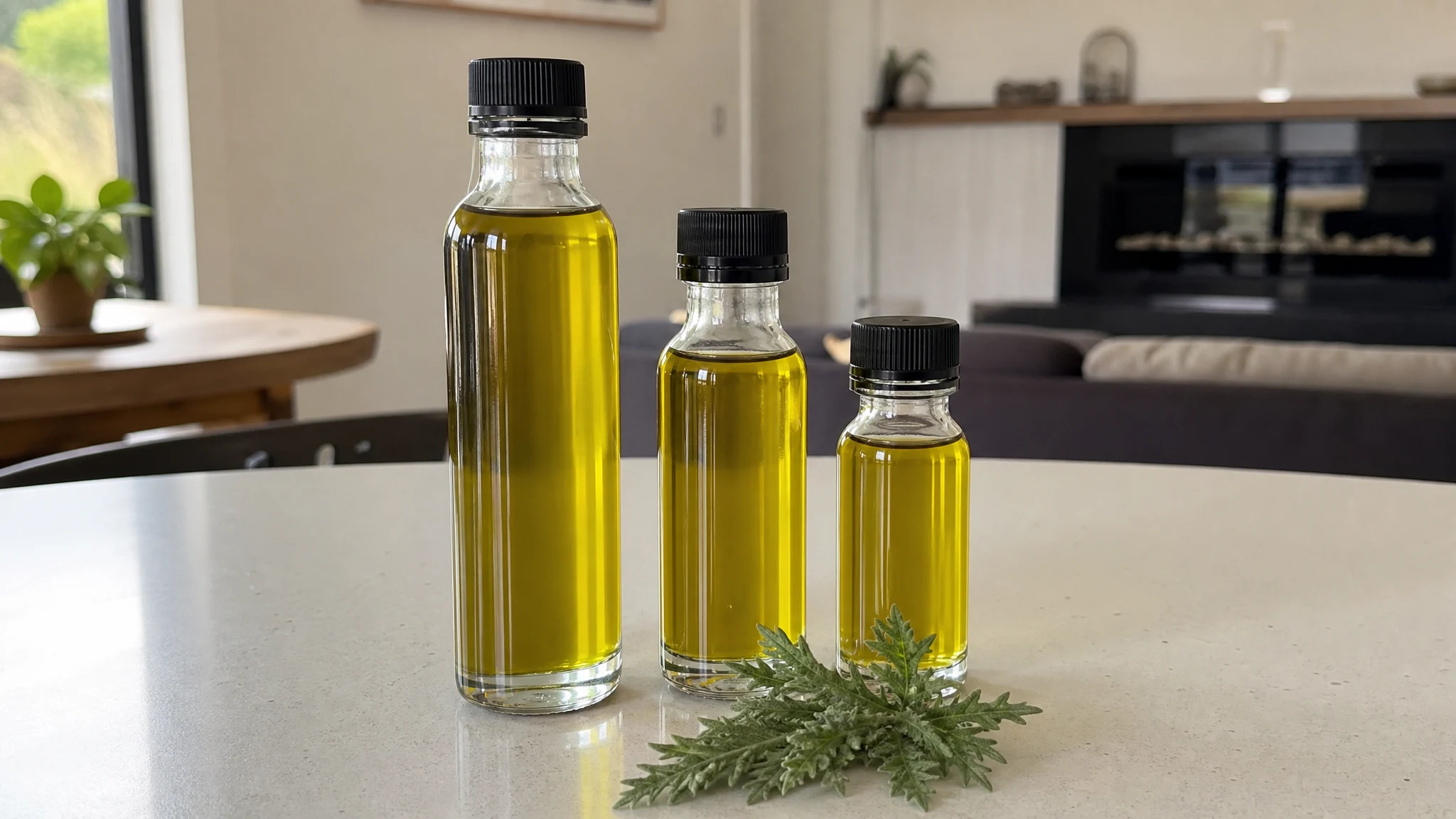
Our own Mugwort Essential Oil, in sizes from 0.5 oz to bulk.
From $16.99
Shop Now →Ssuk, the everyday plant
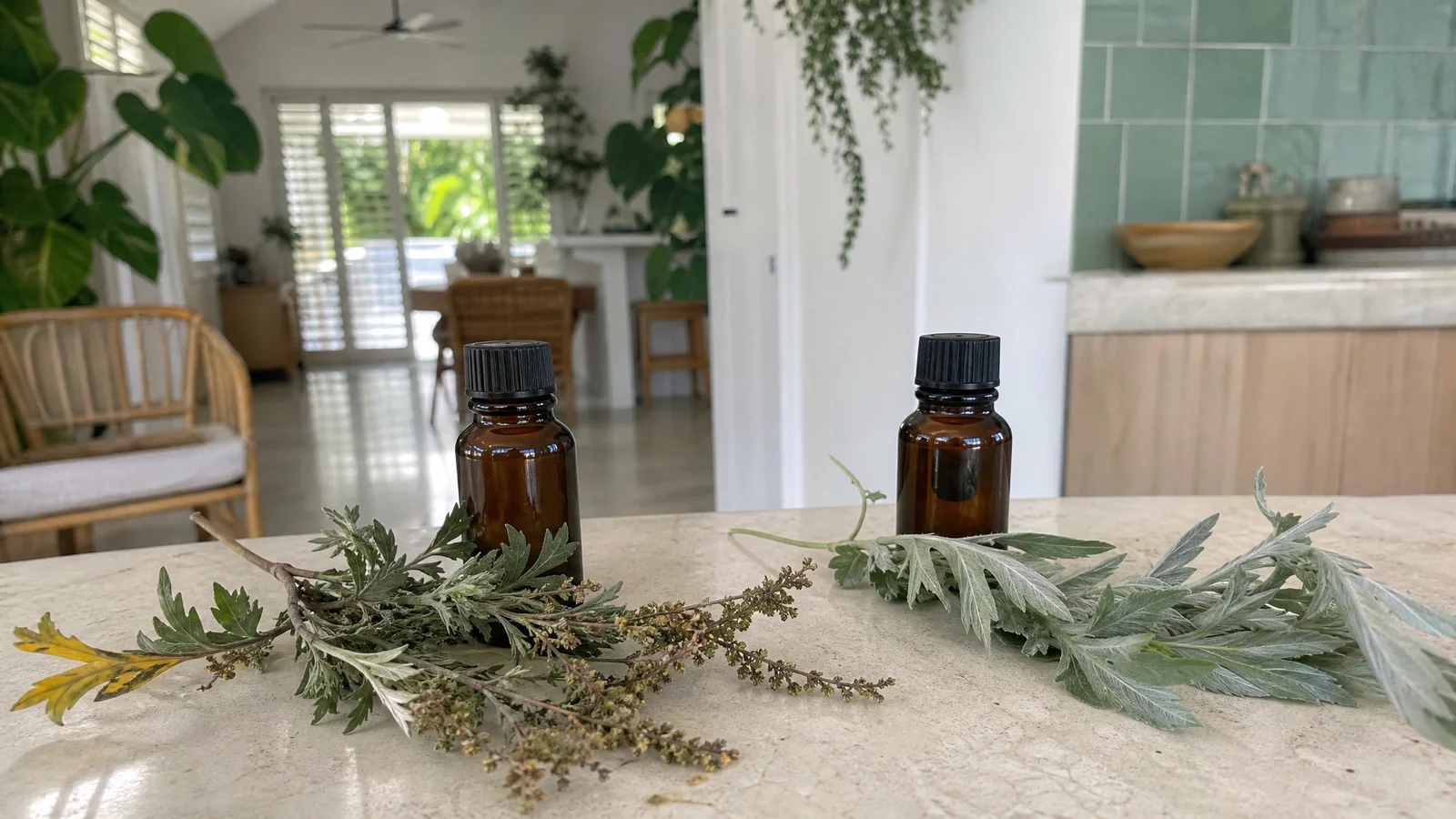
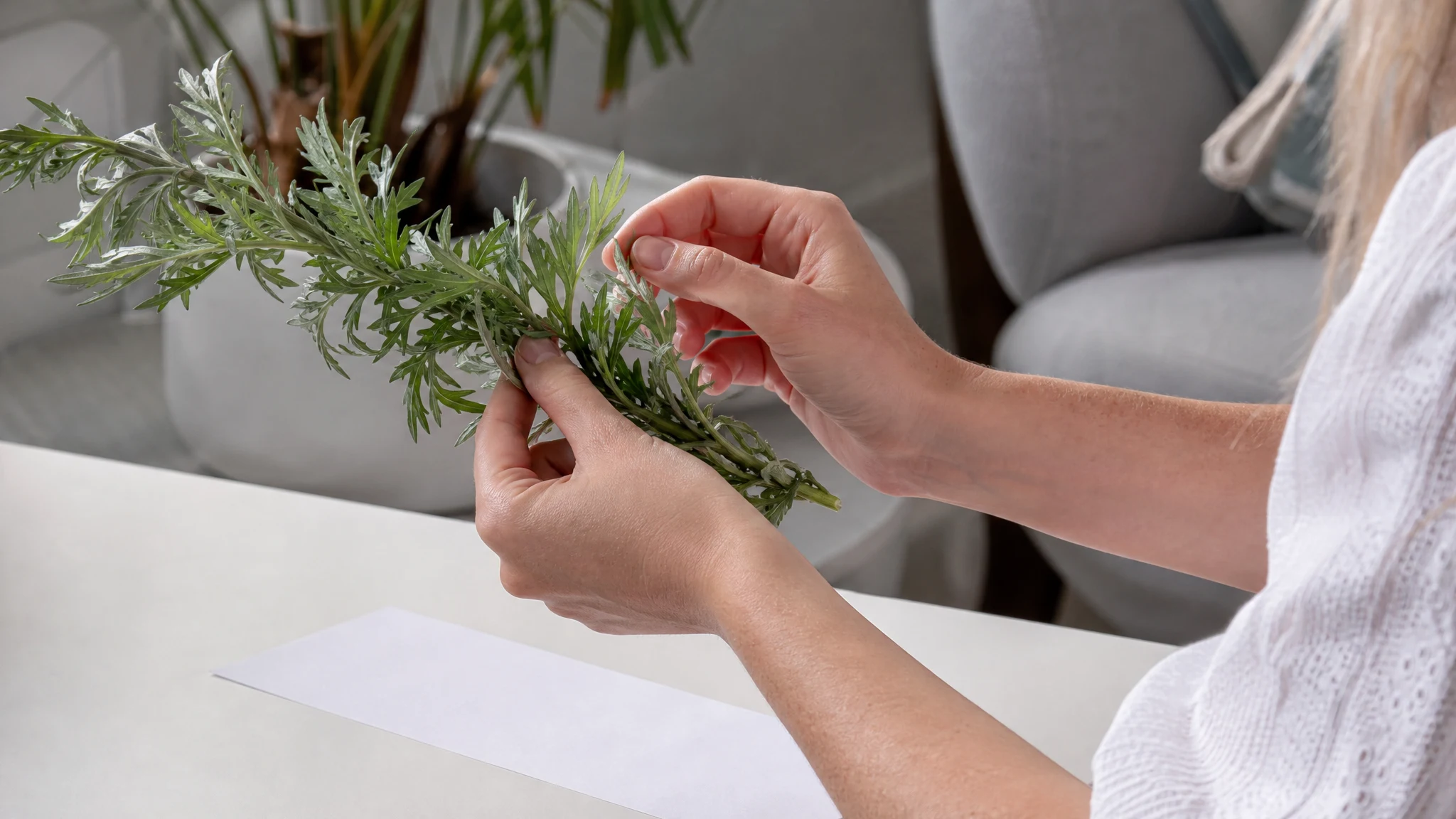
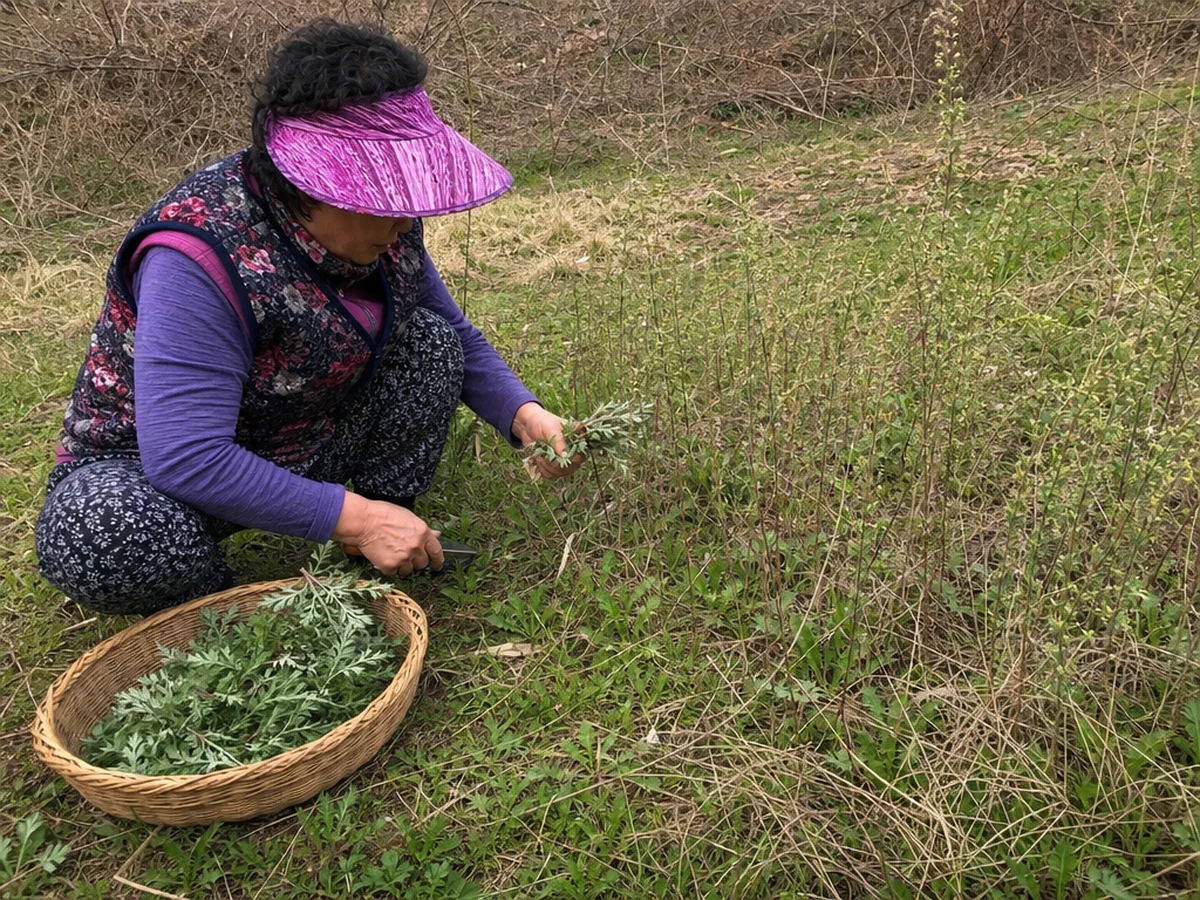
In Korean, mugwort is ssuk. A 2026 review of Korean Artemisia explains that the name is most often tied to Artemisia princeps, and that traditional Korean medicine files both A. princeps and A. argyi under a single drug name, Aeyup. The same review points out that the dried herbs are easy to confuse in the market and that the reported activities in the lab "should not be interpreted as established clinical efficacy" (Amin et al., 2026). So the word "mugwort" on a pack covers a family of closely related plants, not one precisely defined thing.
That is a nice reminder for oil buyers too. The Latin name on a bottle matters just as much as the common name, which is why we always say a mugwort label and its paperwork should name the same plant.
Extract, ferment, or oil
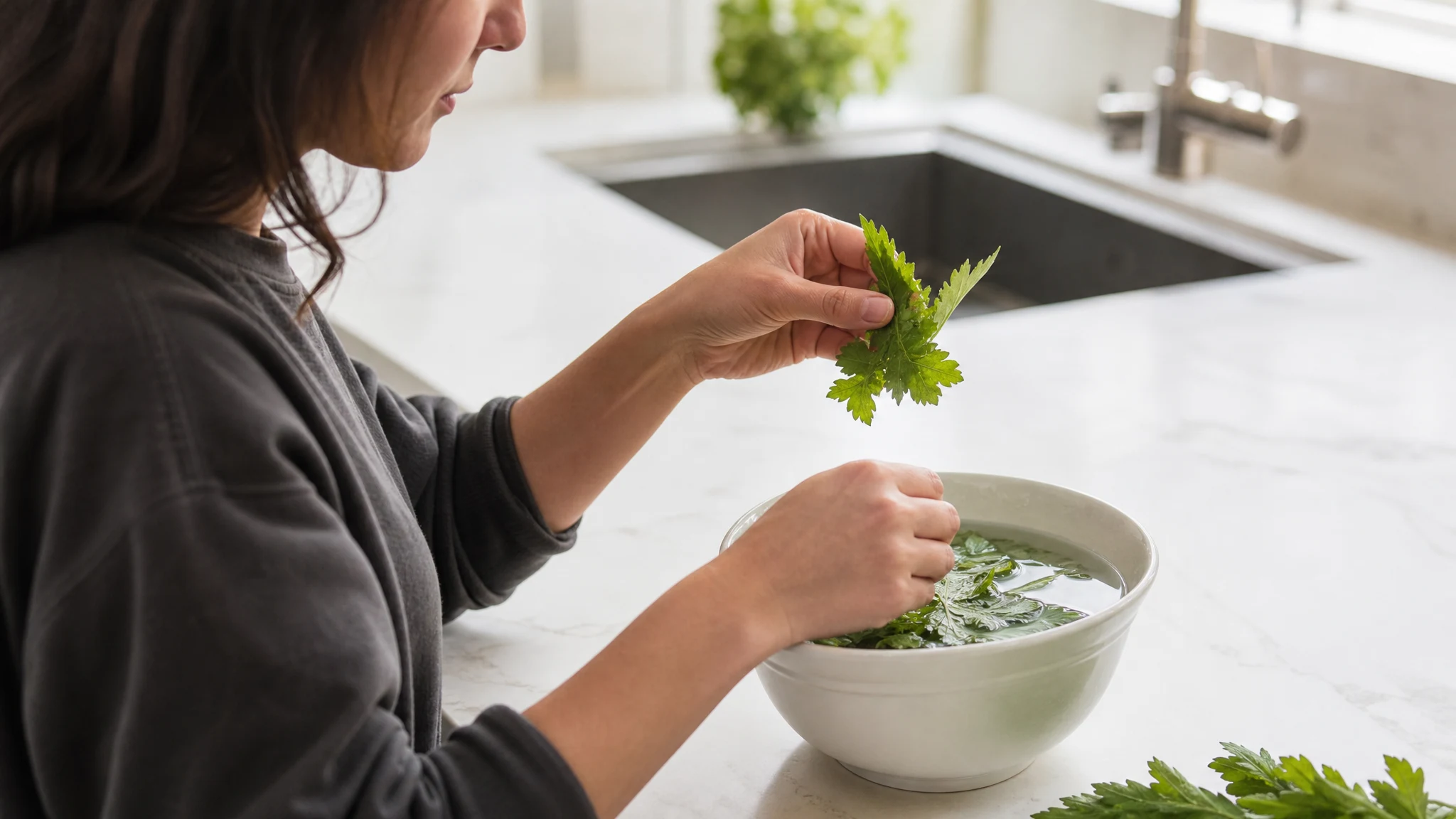
Cosmetic ingredient lists are written in a standard vocabulary, and mugwort turns up in several forms. A 2022 review of Artemisia in cosmetics, drawing on the European CosIng database, lists a whole-plant extract, a herb extract, a leaf extract and a volatile oil for common mugwort, and notes that fermented filtrates made with bacteria or yeast are a separate class again (Ekiert et al., 2022). Extracts and ferments are made from the plant in water or by fermentation, so they carry the water-soluble side of the plant.
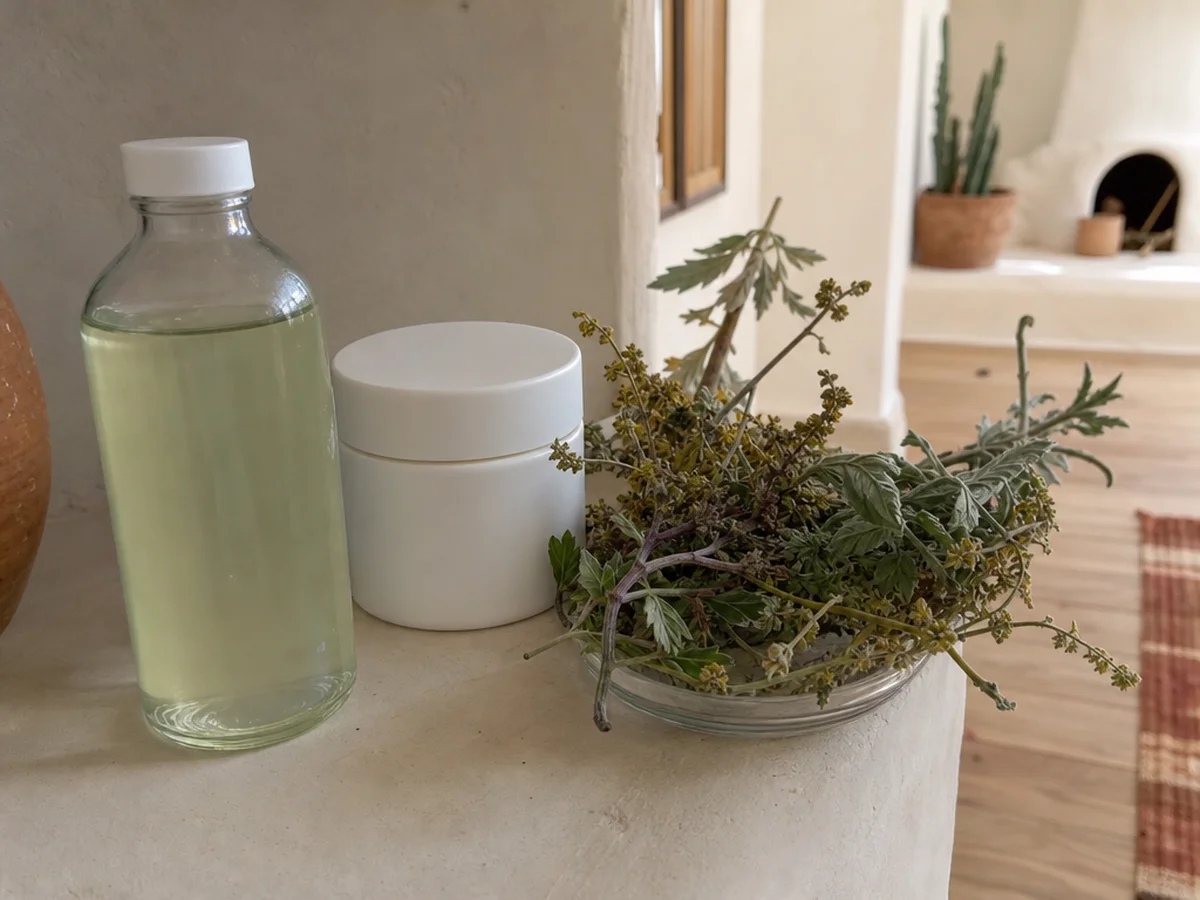
A steam-distilled essential oil sits at the other end. It is made of the plant's volatile aromatic molecules, the ones you smell when you crush a leaf,. We cover how those molecules vary from one analysis to the next in our piece on mugwort oil composition. The practical point is that a result for one material does not transfer to the other by inference.
What the lab work shows, and what it does not
If you go looking for the science behind the trend, much of it is cell work on extracts. One example used a spray-dried hot-water extract of A. princeps on human skin cells grown in a dish. At the low concentrations tested, the cells made more of two proteins, filaggrin and loricrin, that are part of the skin's outer barrier, and above 0.3% the extract began to reduce cell viability (Hirano et al., 2017). It is a neat piece of research. It is also cells in a dish, using an extract, with no essential oil involved, so it is a reason to find the trend interesting rather than a promise about any particular jar.
It also hints at something every formulator knows: concentration is everything. A study concentration of a few hundredths of a percent tells you little about a finished cream whose maker does not publish its percentage. If a brand has its own results for its own formula, that document is the one worth asking about.
How to shop the label
When a mugwort product catches your eye, turn it over and read the ingredient list instead of the front of the pack. Ingredients are normally listed from the largest share to the smallest, so where mugwort sits tells you a lot more than a leaf on the packaging does. Near the top, it is a main player. Near the bottom, it is closer to a garnish.
Then look at how it is written. Is a species named? Is it an extract, a ferment or an oil? A brand that is proud of its mugwort will usually tell you which one it is using. Our advice is to treat a vague front label as a question rather than an answer.
None of this takes more than a minute in the aisle, and it makes the whole trend more fun, because you start noticing which products are really built around the plant and which only borrow its name.
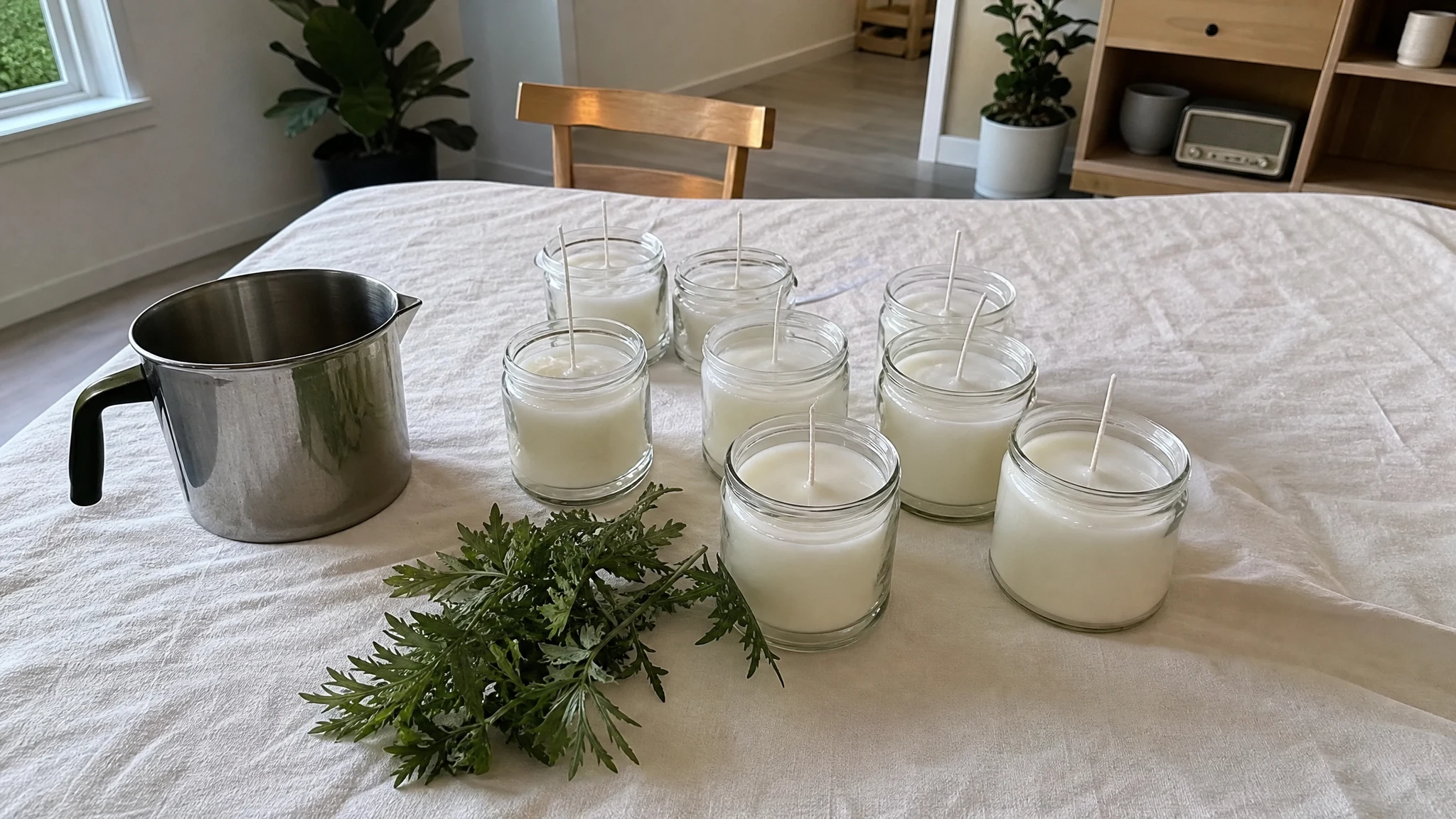
We sell one mugwort essential oil, steam-distilled and sold neat, and we think of it as an oil for fragrance craft rather than body care. Its aroma is green, bitter and camphoraceous, with sage-like, herbaceous facets and a curious sweet undertone, and that is the reason people reach for it in incense, candles and perfume accords. Our skin guidance is cautious by design: dilute to 0.5% to 2% in a carrier oil, patch test first, and we would start at the low end. We also recommend avoiding it during pregnancy and keeping it away from children and pets.
If the K-beauty trend has you curious about mugwort at home, there are two sensible routes. For a skincare product, buy one made by a formulator who lists the extract and species and who can answer questions about it. For a hands-on project, our comparison of essential oil and infused oil explains why the dried herb steeped in a carrier is a different material from the oil, and our look at mugwort cleansing oil products shows how to read one.
The trend is a lovely reason to get to know the plant. It just helps to remember that the plant can arrive in a bottle in more than one form, and each form answers a different question.
Mugwort Essential Oil
Mugwort Essential Oil from our own shop, in sizes from 0.5 oz to bulk.
From $16.99
Shop Now →Sources & Further Reading
- Amin A, Abbas K, de Oliveira MS, 2026. Korean Artemisia species: phylogenomic authentication, ethnopharmacology, and commercial applications. Frontiers in Pharmacology 17:1873437. pmc.ncbi.nlm.nih.gov/articles/PMC13624125
- Ekiert H, Klimek-Szczykutowicz M, Rzepiela A, et al., 2022. Artemisia Species with High Biological Values as a Potential Source of Medicinal and Cosmetic Raw Materials. Molecules 27(19):6427. pmc.ncbi.nlm.nih.gov/articles/PMC9571683
- Hirano A, Goto M, Mitsui T, et al., 2017. Antioxidant Artemisia princeps Extract Enhances the Expression of Filaggrin and Loricrin via the AHR/OVOL1 Pathway. International Journal of Molecular Sciences 18(9):1948. pmc.ncbi.nlm.nih.gov/articles/PMC5618597