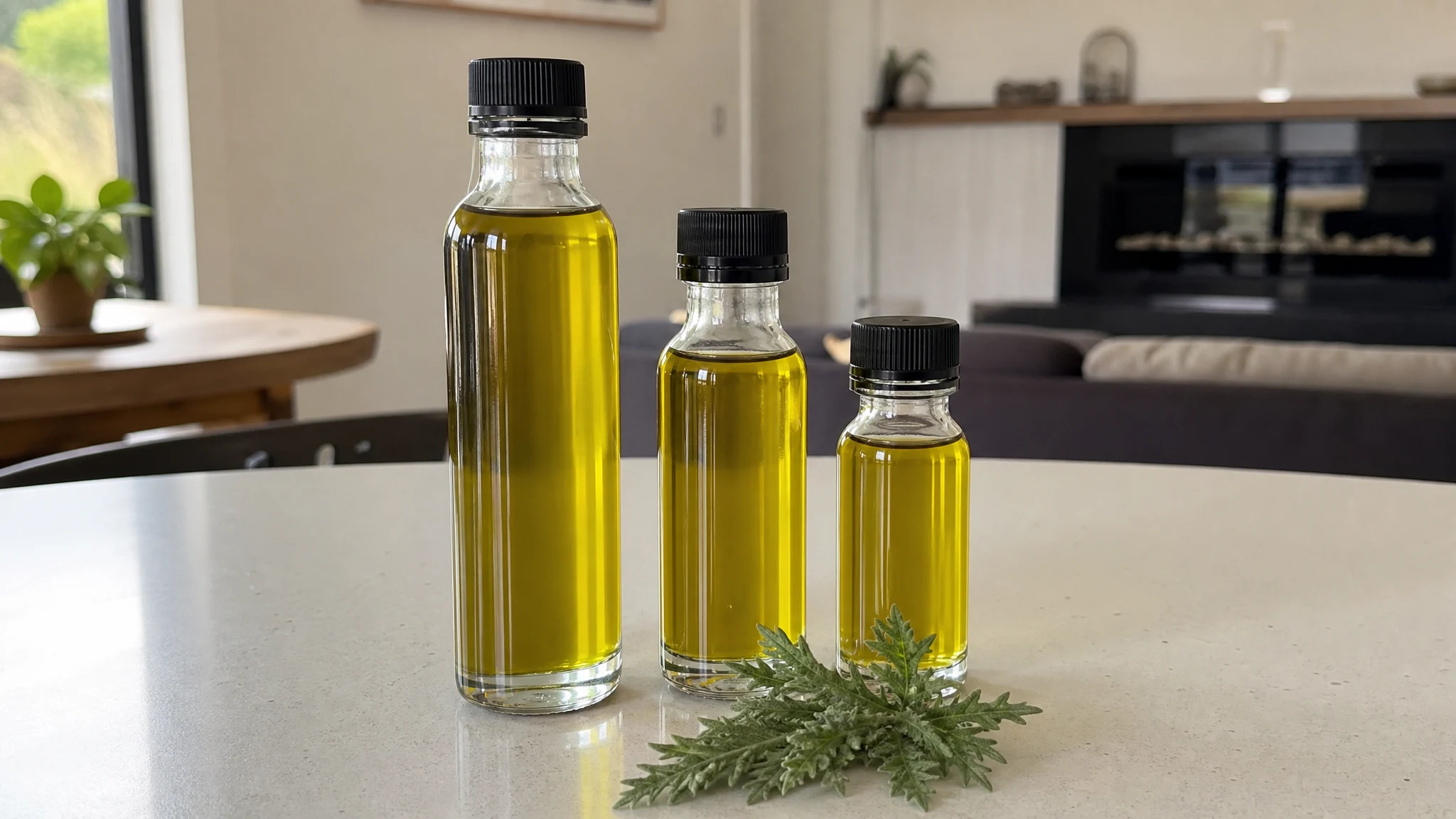
Mugwort Oil Bottle Sizes: How Many Drops You Really Get
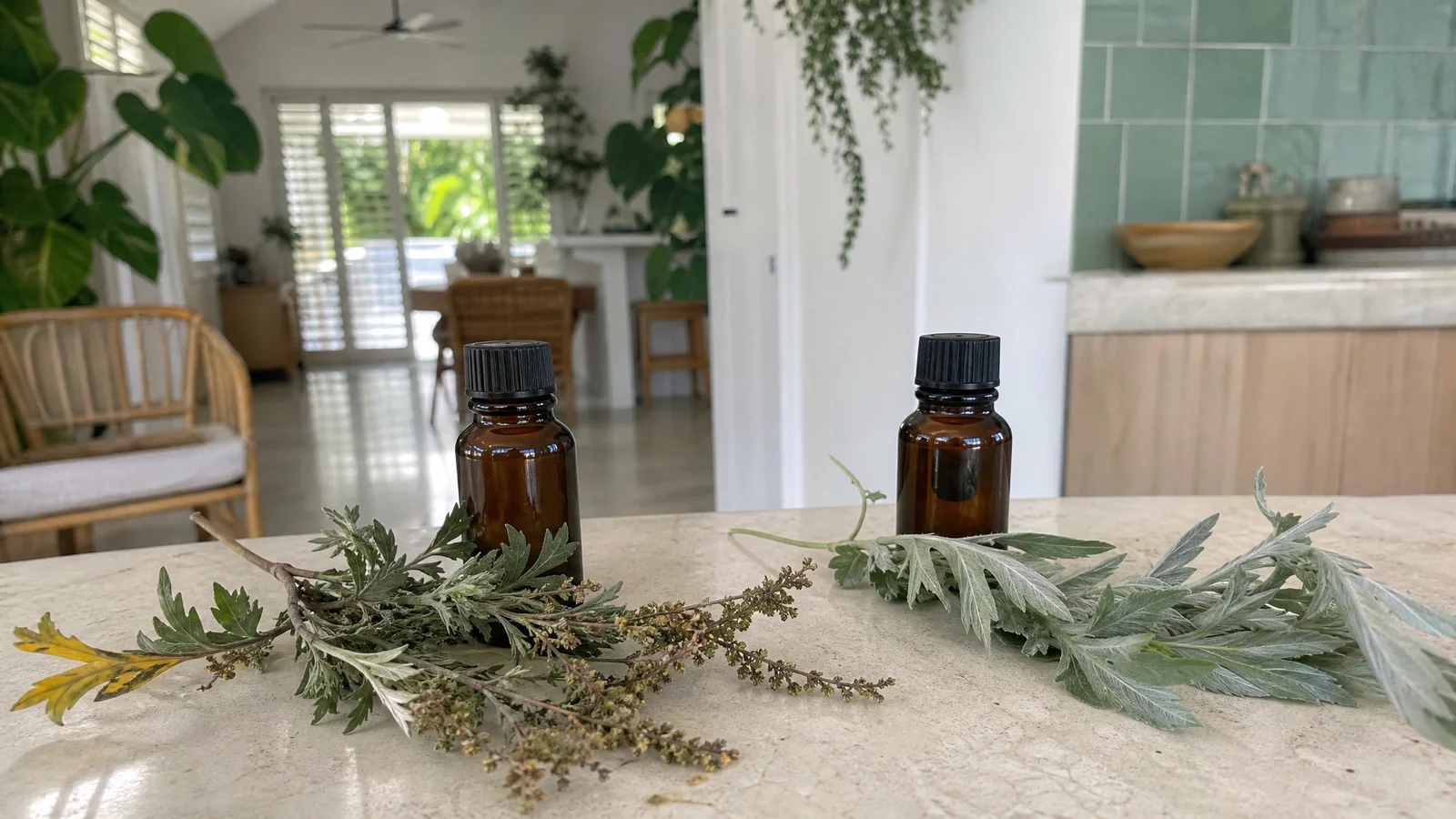
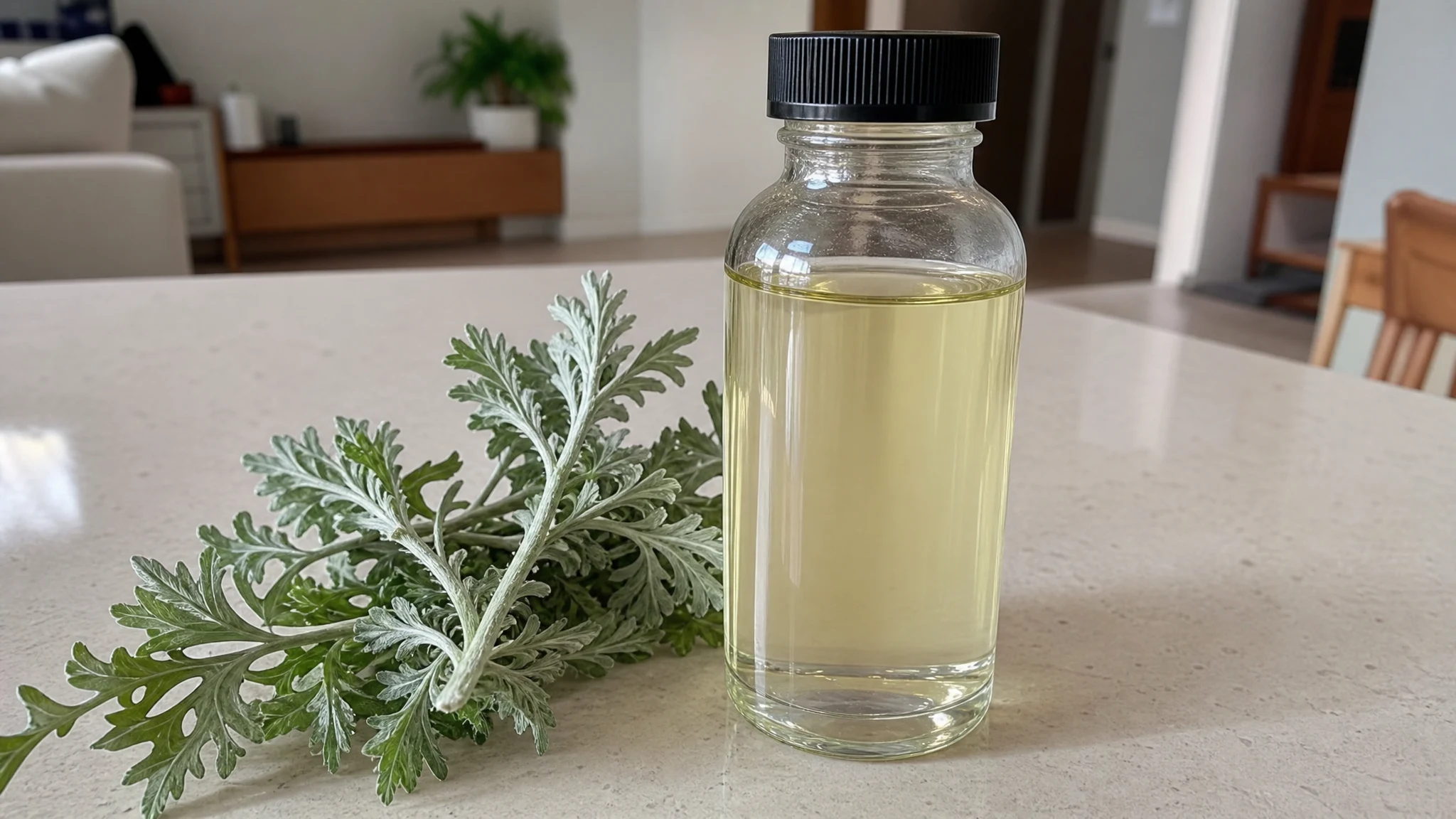
Most mugwort oil gets used one drop at a time. That single fact should drive your bottle choice more than any "bigger is better value" instinct, because a 0.5 oz bottle holds roughly three hundred drops, and very few projects need that many.

Mugwort Essential Oil
Our own Mugwort Essential Oil, in sizes from 0.5 oz to bulk.
From $16.99
Shop Now →Start from the drop
We sell one mugwort oil, sold neat, in ten sizes from 0.5 oz up to 400 lbs. To see what each size means in practice, three conversions do all the work. The batch on our published Certificate of Analysis has a relative density of 0.895, so a millilitre weighs about 0.895 g. Droppers vary, but 20 drops to the millilitre is a fair working figure. And an ounce is 29.57 ml, which is about 26.5 g of this oil.
That gives these rough counts, which are our arithmetic rather than a measurement:
- 0.5 oz: about 296 drops
- 1 oz: about 591 drops
- 2 oz: about 1,180 drops
- 8 oz: about 4,700 drops
- 16 oz: about 9,500 drops
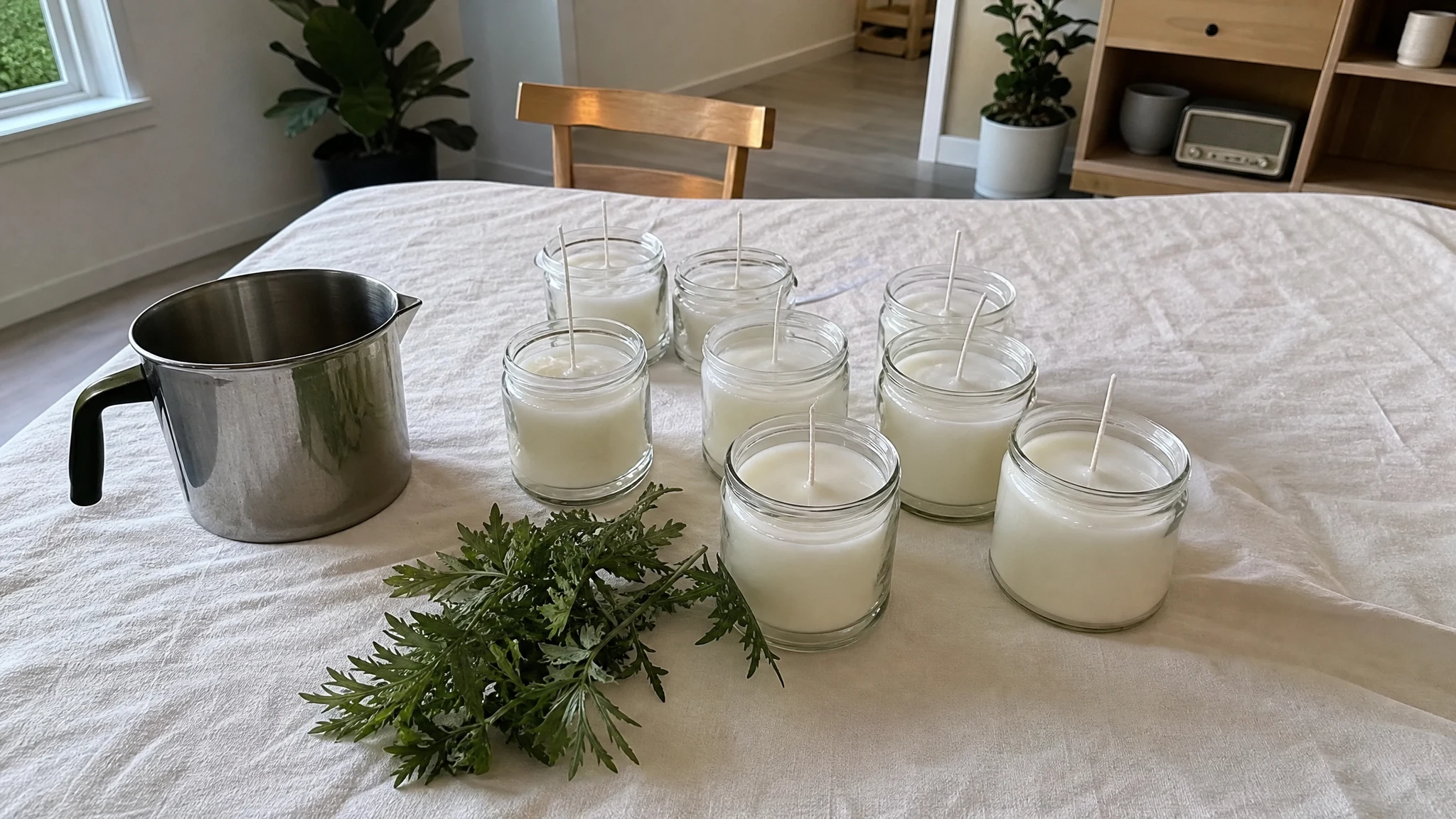
Now set that beside how mugwort is actually used. Our shop pages describe it for incense and smudge-style blends, ritual and seasonal candles, potpourri and sachets, and as a perfume accent, where "a drop or two" is the whole idea. A single-drop accent from a 0.5 oz bottle is about three hundred accents. A scented project that needs a few grams at a time can still take a long while to use up an ounce. So the smallest size is the right place for most people to begin, particularly if you have never smelled it. Our shop describes the aroma as green, bitter and camphoraceous, with sage-like, herbaceous facets and a curious sweet undertone, and that is a scent that people either fall for or decide is not for them. One drop on a blotter in a ventilated room settles it for the price of the smallest bottle.
When a bigger bottle makes sense
Larger sizes are for repeat work. If you pour candles in batches, the quantity of oil depends on the wax weight and the load you settle on. As an illustration only, a 200 g candle at a 4% load takes 8 g of oil, so a 1 oz bottle (about 26.5 g) covers three of them and a bit more. Wax makers publish their own ceilings for fragrance, and a plant oil is a different animal from the fragrance oils those ceilings were written for, so work your numbers out on a small pilot first and size your order second. Our candle-making walkthrough covers the pilot idea in detail.
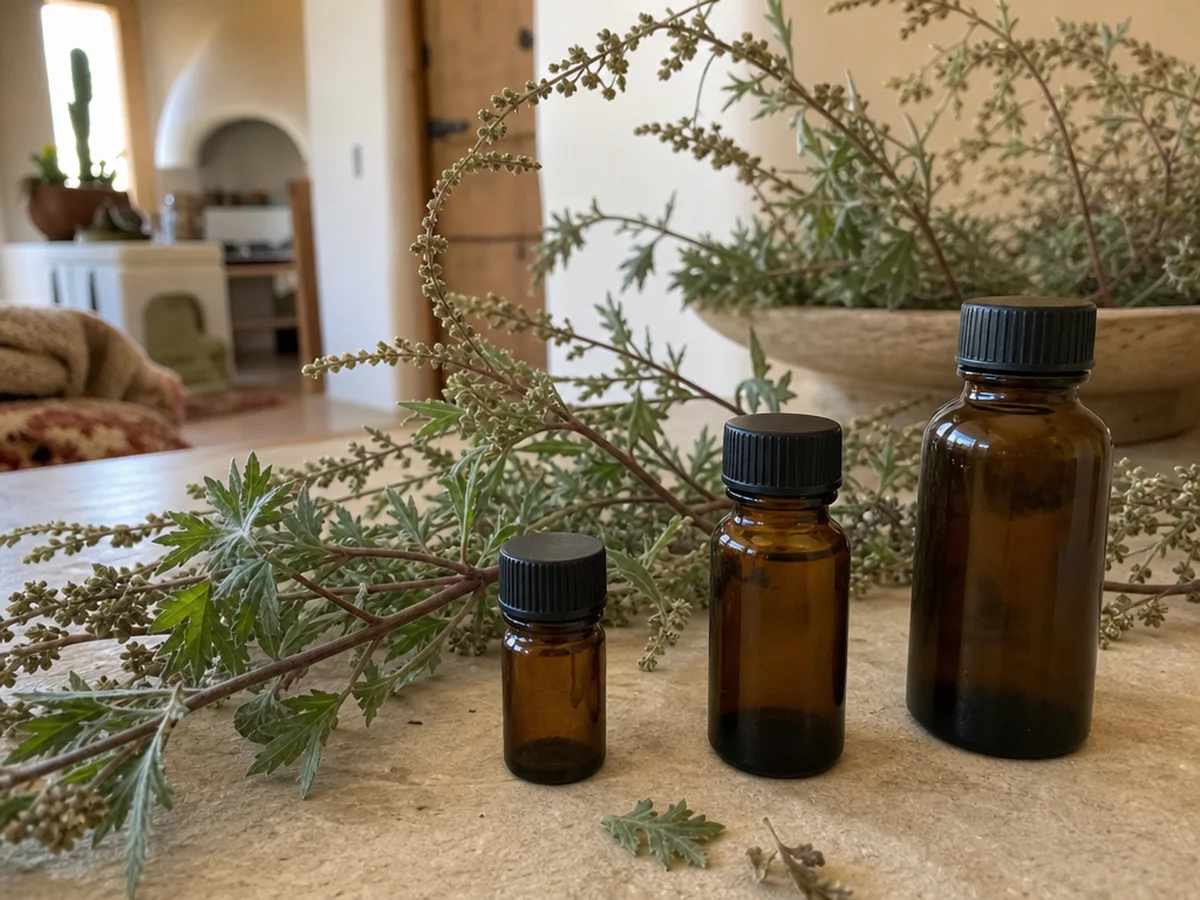
A pound of the oil is about 507 ml, roughly ten thousand drops, which is why the 5, 25, 100 and 400 lb sizes on our bulk page are meant for people who sell finished goods or run a workshop. If that is you, our wholesale page describes sample bottles so you can evaluate the oil in your own product before committing to a drum. Every size comes from the same standard, so the sample tells you what the larger quantity will be like.
The number that decides how much you can use
Mugwort oils contain thujone, and the fragrance industry's rulebook limits thujone by product type. In the IFRA Standards (51st Amendment) the maximum in the finished product is 1.4% for fine fragrance (Category 4), 0.095% for body creams and oils (Category 5A) and 9.5% for candles (Category 12). No standard names mugwort oil itself, so the limit works through the thujone share of whatever oil you hold. The maximum oil percentage is the cap divided by that share. If an oil were 10% thujone, a Category 5A product could hold at most 0.95% of it.
We do not publish a thujone figure for our oil. The Certificate of Analysis we publish for one batch lists appearance, smell, relative density, refractive index and a best-by date. If you are planning something that depends on thujone, whether a bigger order or a skin product, ask us in writing through the contact page and get the answer in writing before you rely on it. Hazard communication rules in the US also expect manufacturers and importers to give a safety data sheet to distributors and employers with the first shipment and on request, so asking any supplier for one is standard practice. For skin use our guidance is to dilute to 0.5% to 2% in a carrier oil, but we keep dilutions minimal and think the low end is the sensible place to start. We also say to avoid use during pregnancy, keep the oil away from children and pets, and never take it internally.
Keeping a bigger bottle fresh
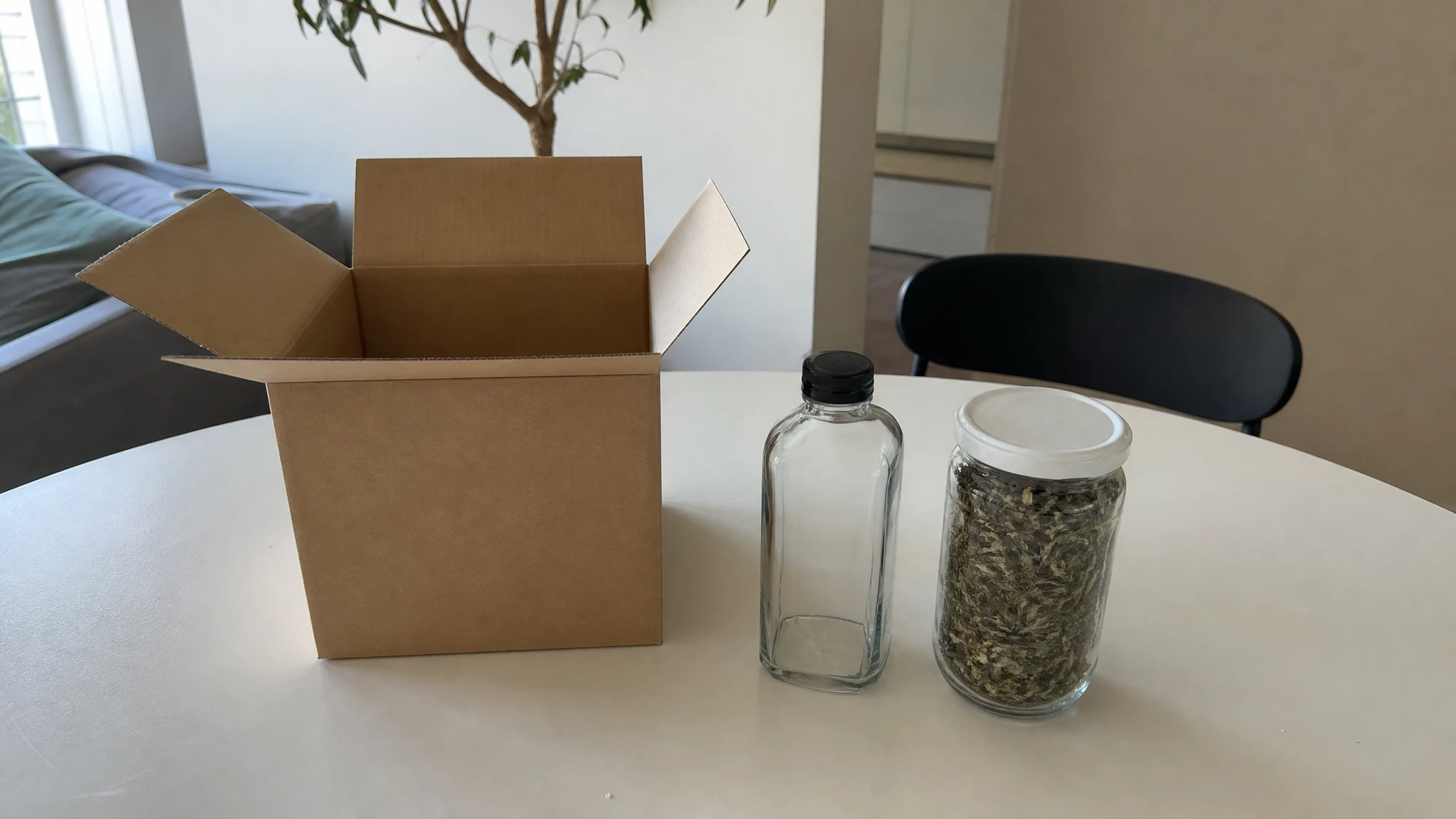
Our copy puts the typical shelf life at 2 to 3 years when the oil is kept tightly capped in a cool, dark place. If you buy a large container, decanting a working amount into a small airtight bottle means you open the big one less often. That is common sense about air in a half-empty container rather than anything specific to mugwort, but it costs nothing. Our storage guide goes through it.
A quick way to choose
- New to the scent: the smallest bottle.
- Making incense, potpourri or a few candles: one of the small or middle sizes.
- Making perfume: a small bottle will last a long time, and the perfume note article shows where it sits in a scent.
- Selling finished products: order a sample, gather the documents your product type needs, then size your first order from your own formula.
If you are still torn between two sizes, picture the next three projects you actually have in mind rather than the ones you might get to someday, and choose for those.
The best bottle is usually the smallest one that gets you comfortably through your first few projects, and a second order is an easy thing to place once you know the oil suits you. Handling notes for working with it are in our workshop safety checklist.
Mugwort Essential Oil
Mugwort Essential Oil from our own shop, in sizes from 0.5 oz to bulk.
From $16.99
Shop Now →Sources & Further Reading
- The complete IFRA Standards, up to and including the 51th Amendment (January 2024), Standard "Thujone" (Amendment 49). IFRA. IFRA Standards, 51st Amendment
- 29 CFR § 1910.1200 - Hazard communication. Legal Information Institute, Cornell Law School. law.cornell.edu