Where to Buy Mugwort Oil: Which Seller Fits Your Project
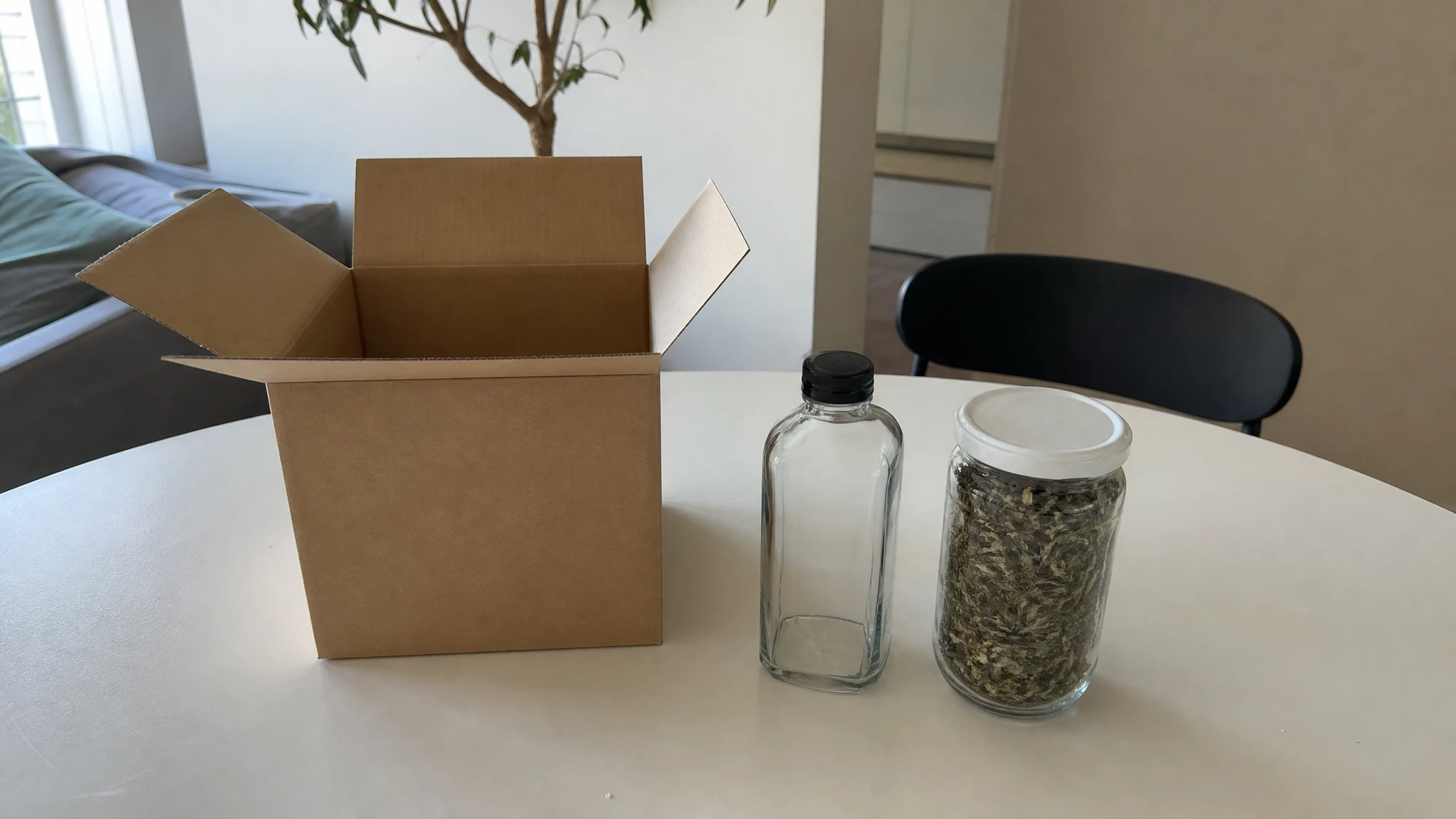
Mugwort is sold in a surprising number of ways: as a fragrance-craft material, as a herbal ingredient and, loosely, as an aromatherapy oil. Where you should buy it depends less on a brand than on what you plan to do with it, and on what the seller is willing to put in writing. We sell one mugwort oil, so we have a stake in the answer, and the fairest way to handle that is to tell you what to ask any seller, ourselves included.

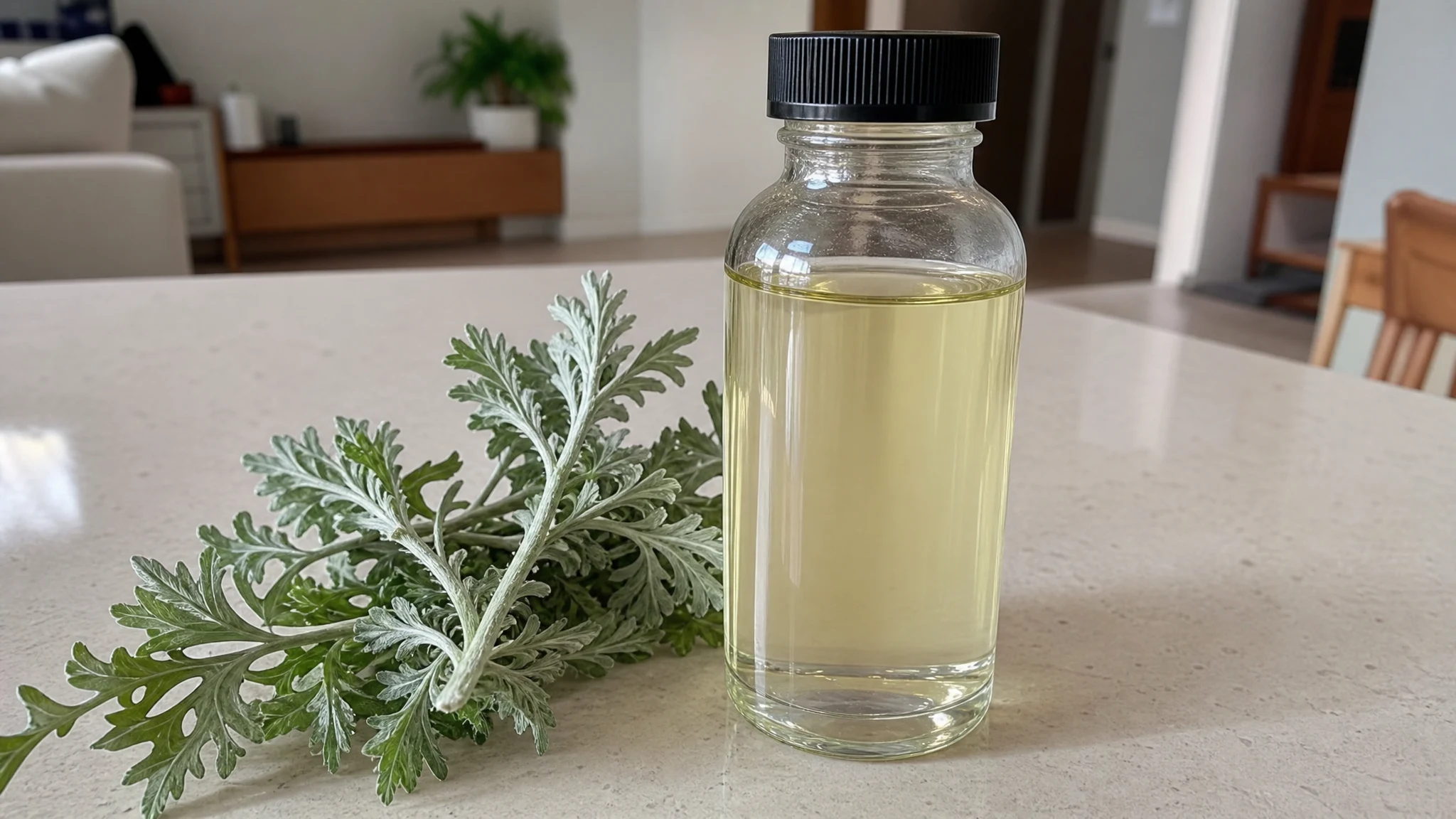
Mugwort Essential Oil
Our own Mugwort Essential Oil, in sizes from 0.5 oz to bulk.
From $16.99
Shop Now →Start with what you are making
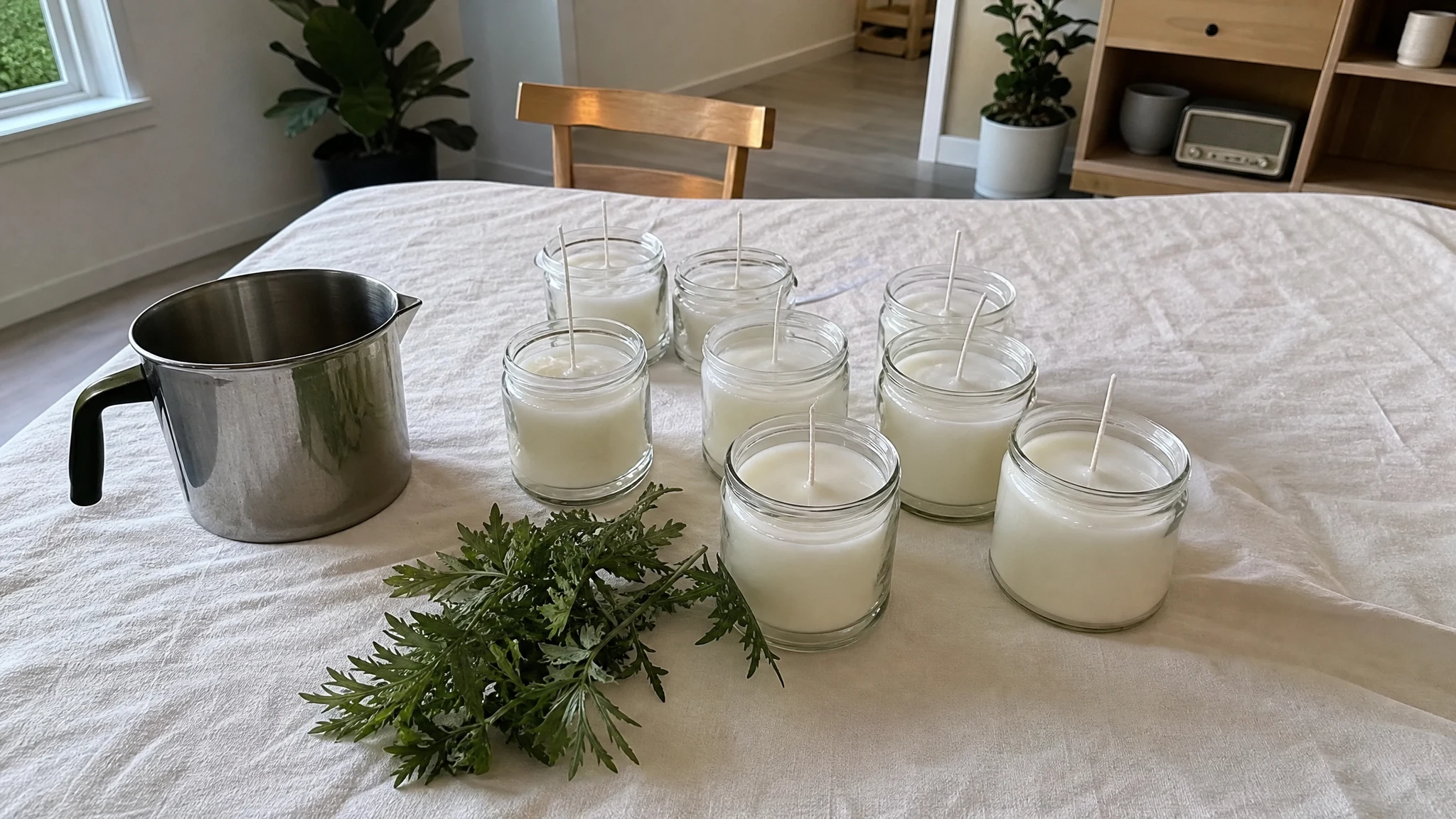
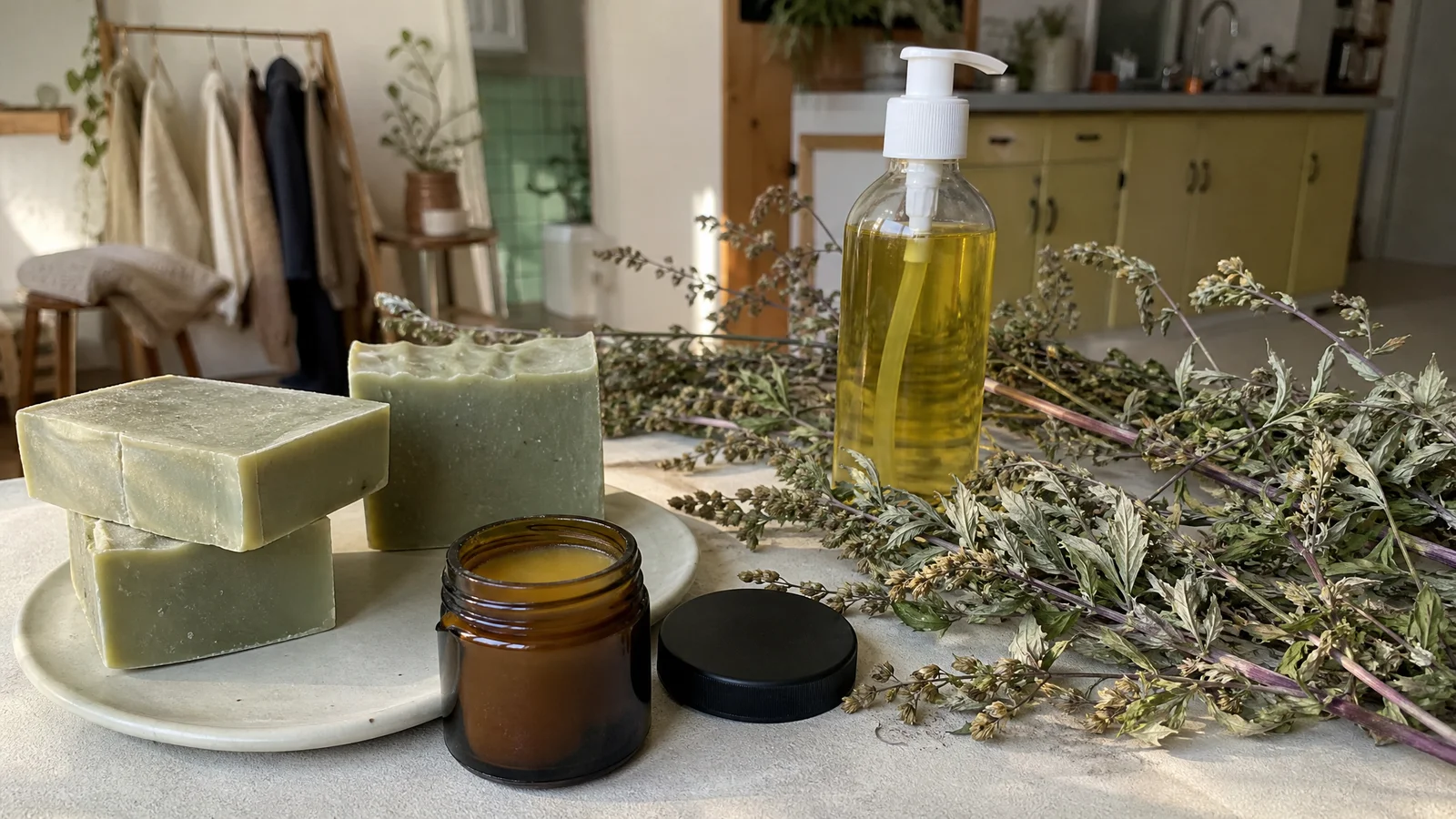
The craft buyer wants a few millilitres for a candle, incense, potpourri or a perfume accent. Those are the uses we list for our oil, which we describe as green, bitter and camphoraceous with sage-like, herbaceous facets. A small bottle and a clear dose matter more here than a distributor's name, and candle-supply and soap-supply shops are handy because they also carry the wax, wicks, carriers and solubilizers you will need, none of which we sell.
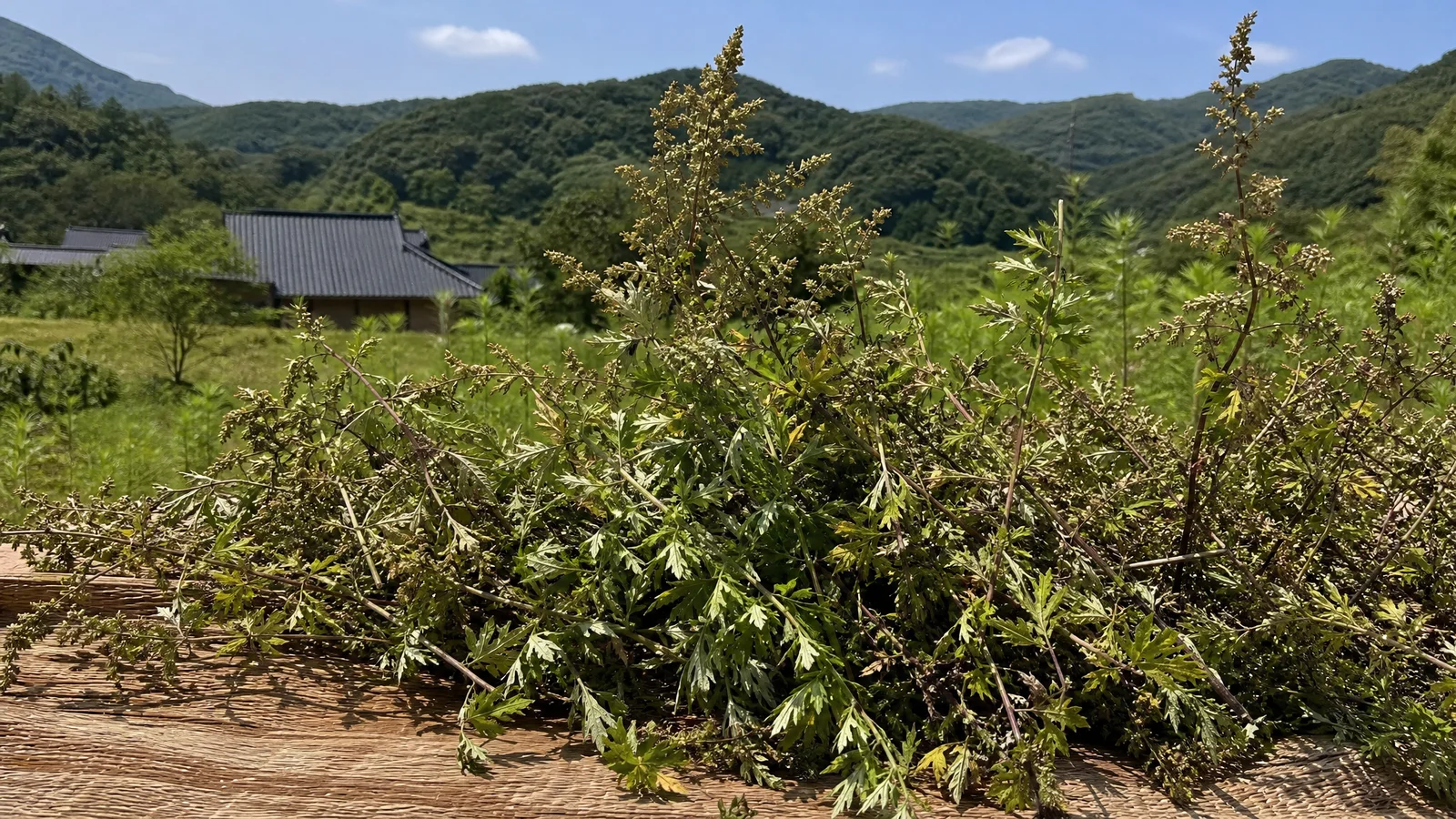
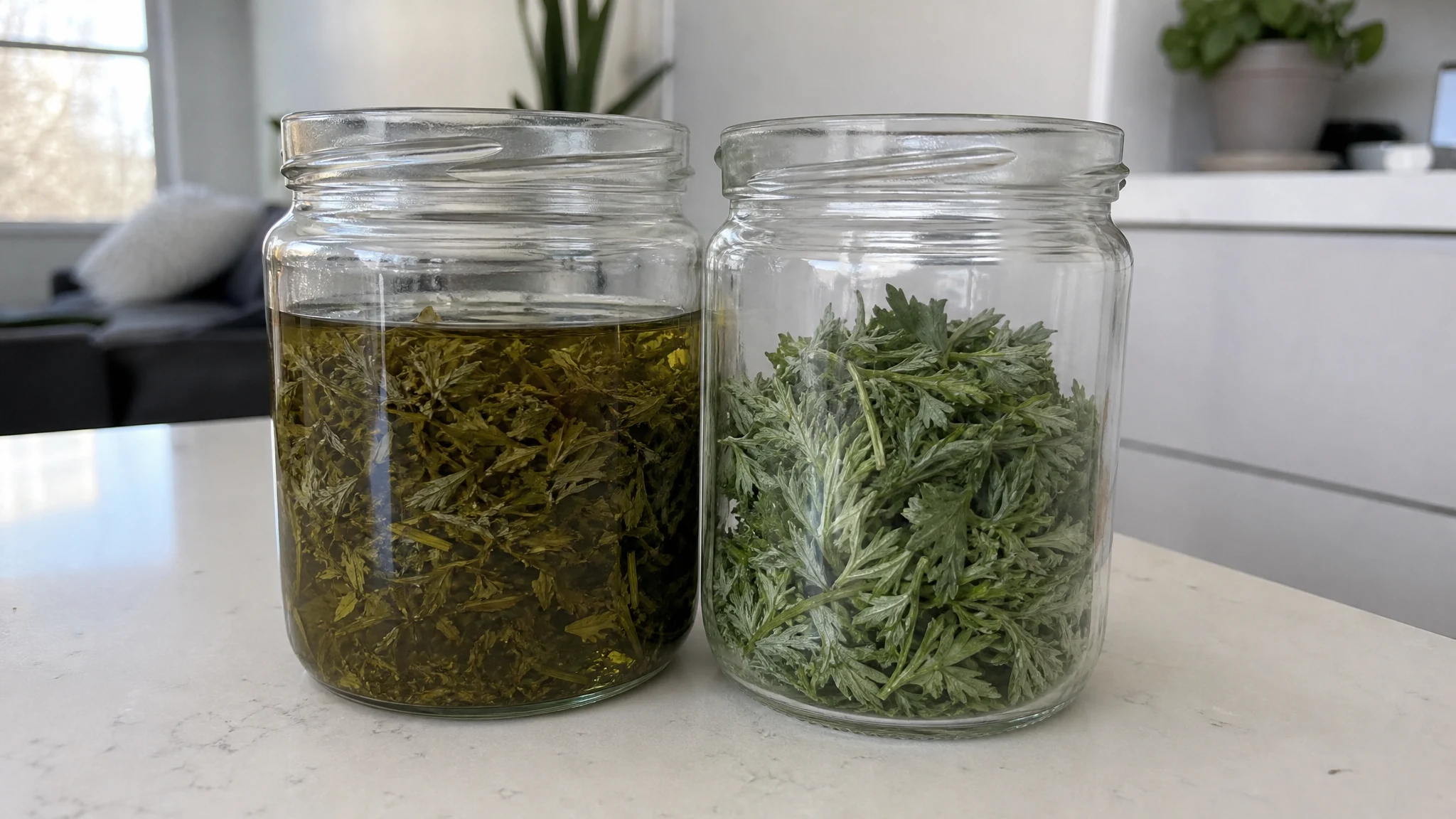
The herbalist usually wants the plant rather than the oil: dried herb, bundles, tea or tincture. We do not sell dried herb, so a herb shop or a grower of dried botanicals is the place to go. Our dried-plant incense article covers working with that material, and tincture versus essential oil explains why they are different things.
The maker who sells needs documents, steady supply and sometimes private labeling, so the paperwork is part of the product. Our wholesale page offers a consultation form, sample bottles, private-label bottling and per-pound pricing, and our bulk page covers the 5 to 400 lb sizes.
Four questions for any channel
- Which plant, which part, which method? More than one Artemisia is sold as mugwort, so a listing that says only "mugwort" is incomplete. The label-reading article goes through each field.
- Is there a batch-specific analysis? Composition varies a great deal. A cultivated Brazilian Artemisia vulgaris oil was led by caryophyllene at 37%, while Chinese Artemisia argyi leaves gave alpha-thujone at about 8% by hydrodistillation and 11% by subcritical extraction. A GC-MS report for the lot you will receive is the way to know which sort of oil you are getting.
- Is there a safety data sheet? In the United States, OSHA's hazard communication rules require manufacturers and importers to provide one to distributors and employers with the first shipment and on request. A consumer is not in that chain, but a seller who cannot produce one at all is telling you something.
- Will they put claims in writing? Origin, organic status, testing and shelf life are the claims that most often appear on listings without documents. If a seller will not repeat one in an email, treat it as decoration.
Paperwork that shows identity, and paperwork that does not
A 2024 review in Food Chemistry says the high economic value of essential oils has led to widespread adulteration, and describes three families of checks: sensory evaluation, physical and chemical property testing, and chemical composition analysis. A listing with a photo and a description offers you the first at best. A batch certificate is better, though it is worth reading what it covers. The Certificate of Analysis we publish for one batch lists a relative density of 0.895 and a refractive index of 1.4750, plus a best-by date. Those are physical constants; they do not include GC-MS, thujone, allergen or flash-point data. If you need those, ask us in writing through the contact page, where email is the fastest route and replies typically come within one business day, and rely on the answer only once it is in writing. We do not claim every batch matches the one we publish.
The safety questions a seller cannot answer for you
The fragrance industry's IFRA Standard restricts thujone, citing neurotoxicity, with finished-product maxima that depend on the category: 1.4% in fine fragrance, 0.095% in body creams and oils, 0.13% in rinse-off products, 9.5% in candles. A text search of the Standards found no entry naming mugwort or any Artemisia oil, and natural thujone in an oil counts toward the cap. The ceiling for an oil is therefore the cap divided by its thujone share, a figure to ask any seller for.
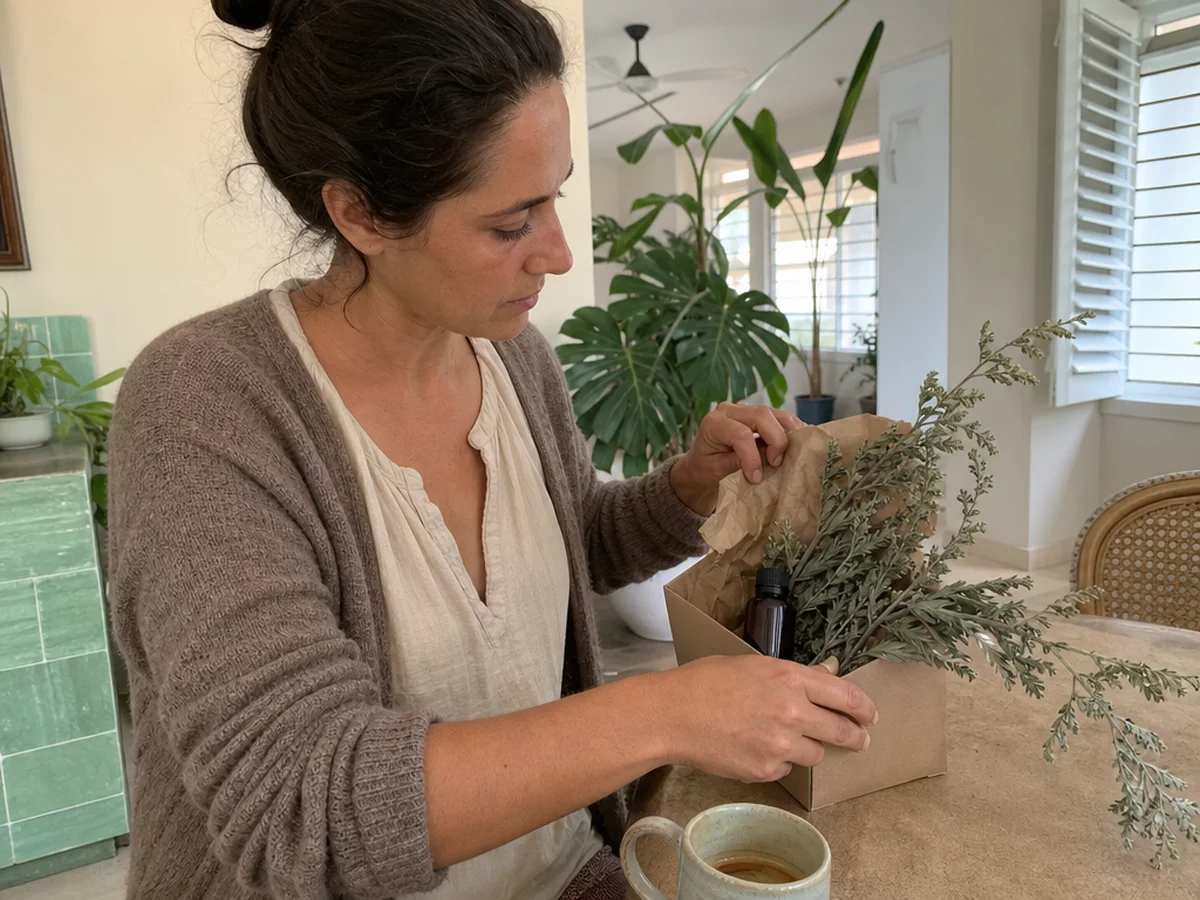
Our own guidance for skin is to dilute to 0.5% to 2% in a carrier and patch test first, and we start at the low end; for a thujone-rich oil even 2% could exceed an authority cap, so we do not call it safe for every lot. We say to avoid the oil during pregnancy, to keep it from children and pets, and never to use it internally. A pharmacist, midwife or doctor is the person to ask about pregnancy, and a qualified aromatherapist can help with skin dilutions. This is also why a first purchase from anyone should be small: our bottle-size article shows what each size holds.
A sensible first order
Whichever channel you choose, begin small. A little bottle lets you smell the oil, try one project and learn how much you really use before committing to more. A first small order is also a friendly way to see how a seller communicates when you have a question.
If you are buying from us
We sell one mugwort oil, steam-distilled and sold neat, in ten sizes from 0.5 oz to 400 lb. Orders ship within 1 to 2 business days, bulk sizes may take a little longer, and the shop page has the current price for each size.
Whoever you buy from, the best sign is a seller who answers a specific question with a specific document.
Take your time, ask your questions in writing, and let the first small project teach you what you need next.
Mugwort Essential Oil
Mugwort Essential Oil from our own shop, in sizes from 0.5 oz to bulk.
From $16.99
Shop Now →Sources & Further Reading
- Chemical Profile and Biological Activities of Essential Oil from Artemisia vulgaris L. Cultivated in Brazil
- Chemical Composition and Antimicrobial Activities of Artemisia argyi Lévl. et Vant Essential Oils Extracted by Simultaneous Distillation-Extraction, Subcritical Extraction and Hydrodistillation
- Advanced analytical techniques for authenticity identification and quality evaluation in Essential oils: A review
- IFRA Standards, 51st Amendment (January 2024), Thujone Standard
- 29 CFR § 1910.1200 - Hazard communication (Legal Information Institute, Cornell Law School)