Mugwort Oil as a Gift: Who Will Love It, and What to Add
Mugwort oil is not a gift for everyone, and that is part of its charm. It is a green, bitter, camphor-edged oil for people who already make things, and in the right hands it is the kind of present that gets a pleased "oh, interesting" and then an afternoon of experiments.

Mugwort Essential Oil
Our own Mugwort Essential Oil, in sizes from 0.5 oz to bulk.
From $16.99
Shop Now →The friend who will love it
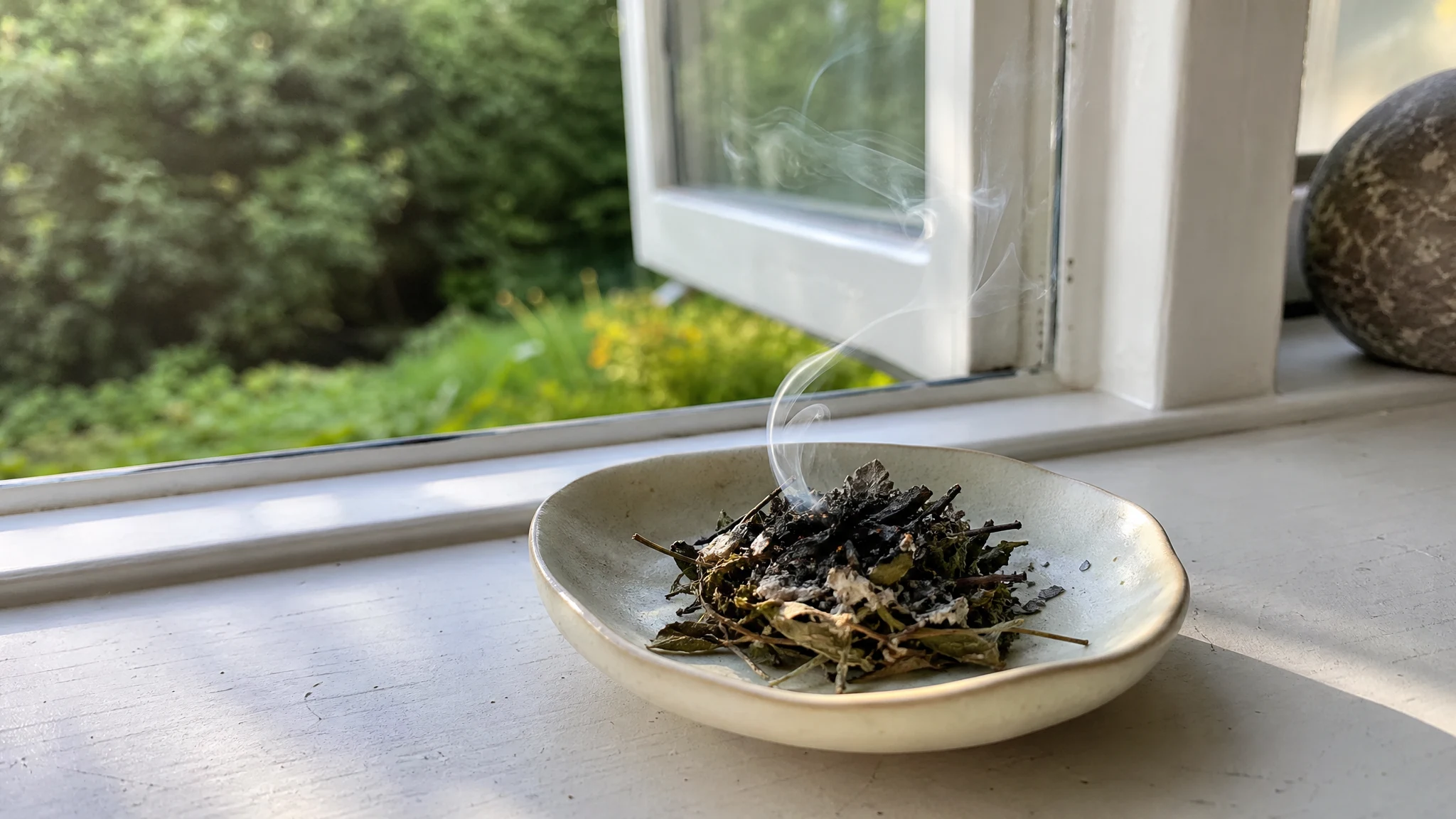
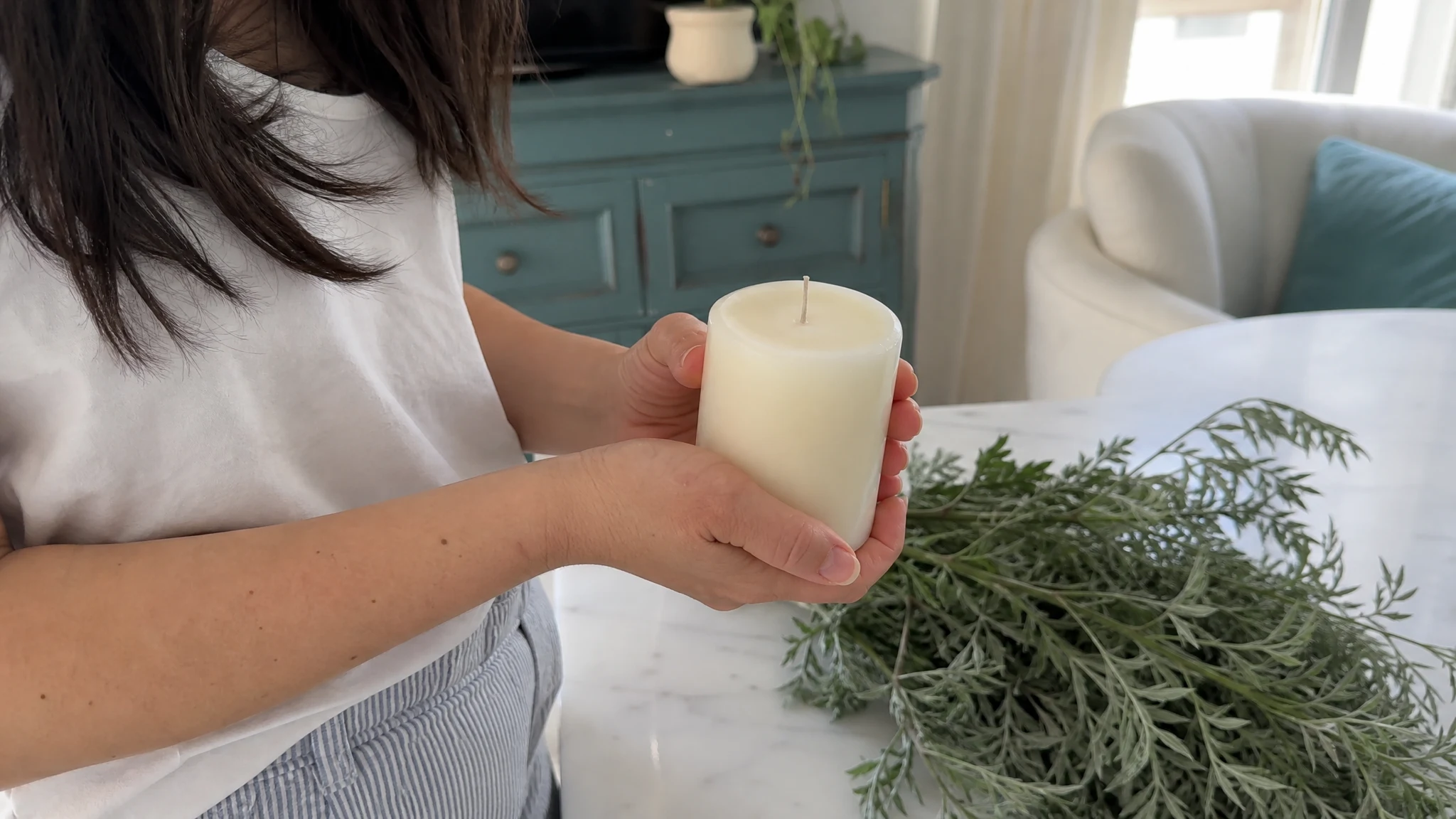
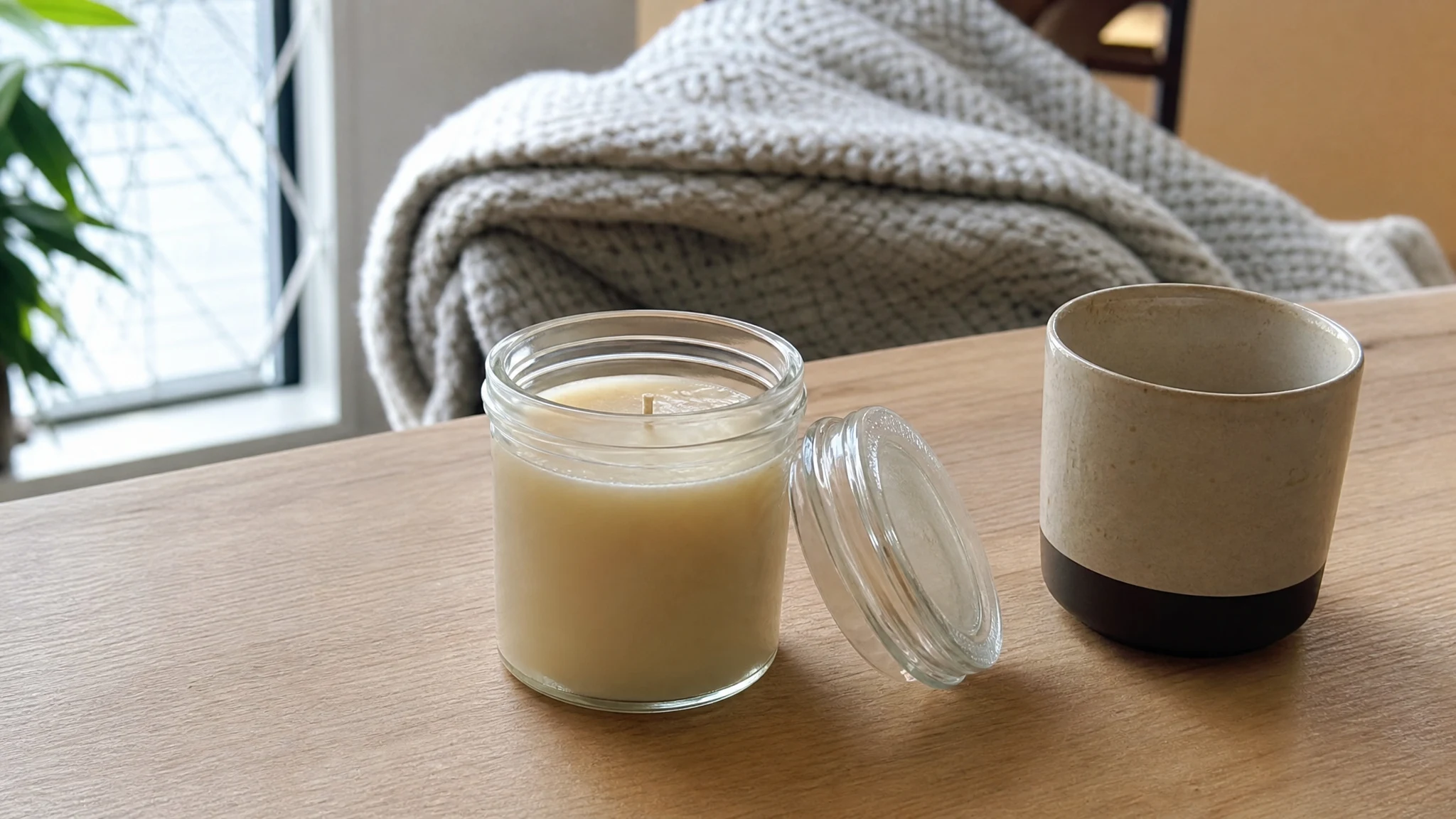
Picture someone who pours candles, rolls incense, blends potpourri or sachets, or keeps a small drawer of perfume materials. We describe our mugwort oil as one for fragrance craft rather than body care, and the uses we list are incense and smudge-style blends, ritual and seasonal candles, perfume accords and potpourri. A maker like that knows what to do with a strong, characterful material, and mugwort is exactly that: a little goes a long way, which is why we suggest "a drop or two" as an accent in a perfume.
If your friend has never made any of those things, the oil is a guess about a hobby they do not have. A kit from a craft shop is the better first step.
Give it with a scale
The most useful companion for the bottle is a small kitchen scale that reads to 0.1 g. The Certificate of Analysis we publish for one batch lists a relative density of 0.895, so a millilitre weighs a little under a gram, and a recipe written in grams repeats far better than one counted in drops. Our wax melt and potpourri formulations are both worked out by weight for that reason.
For a first bottle we would reach for a small size. We offer 0.5, 1, 2, 4, 8 and 16 oz, and the shop page shows the current price for each. We give the typical shelf life as 2 to 3 years when the bottle is kept tightly capped somewhere cool and dark, so a bottle that waits a few months for its project is in no hurry.
What else goes in the box
We sell the oil and nothing else, so the rest comes from a craft or candle-supply shop. A few ideas that make the gift feel finished:
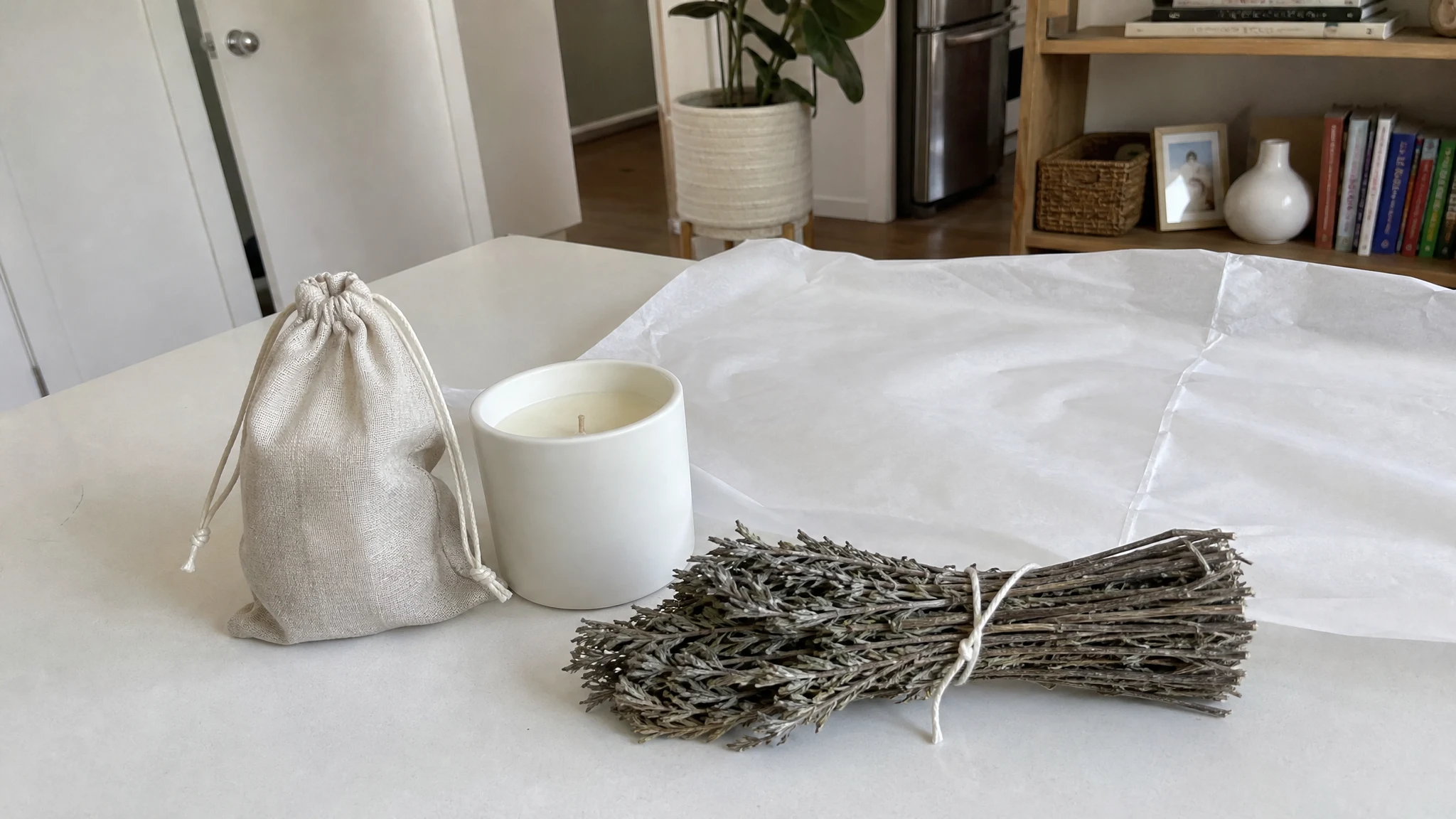
- The base for one small project: wax and a wick for a candle, or makko and a little resin for a first batch of incense, ideally with a recipe such as mugwort incense cones with makko.
- A pair of glass droppers or a few small jars for measuring and storing.
- A notebook page ruled for date, grams of oil, grams of base and what it smelled like. Fragrance work only repeats if the numbers were written down.
- A short card with the handling basics below.
The card is worth the minute it takes. Our guidance is to keep the oil away from eyes, children and pets, to avoid it during pregnancy, and never to take it internally. If it goes on skin at all, dilute it first; our shop guidance is 0.5% to 2% in a carrier oil, and we would start at the low end. The thujone in mugwort oils is why the limits are tight: the fragrance industry's IFRA Standard caps thujone at 9.5% of a finished candle but only 0.095% of a body cream, a hundredfold difference, and the caps apply to the finished product rather than to the oil. Our mugwort oil safety article walks through the arithmetic if your friend wants it.
Who to give something else
Skip mugwort oil for anyone who is pregnant or nursing, and for homes with young children who can reach a shelf or pets that share the air. The European Medicines Agency's herbal committee, writing about thujone generally, notes that there are no studies allowing a reliable assessment in pregnant women and children and that use in those groups should be minimised. The Tisserand Institute's general guidance asks people who are pregnant or have epilepsy to speak to a doctor or suitable practitioner before using essential oils. If the friend has hay fever or a daisy-family allergy, our mugwort allergy article explains why pollen, skin contact and the oil are three different questions, and our note on pets and mugwort oil is worth a read for animal households.
A word about dried herb
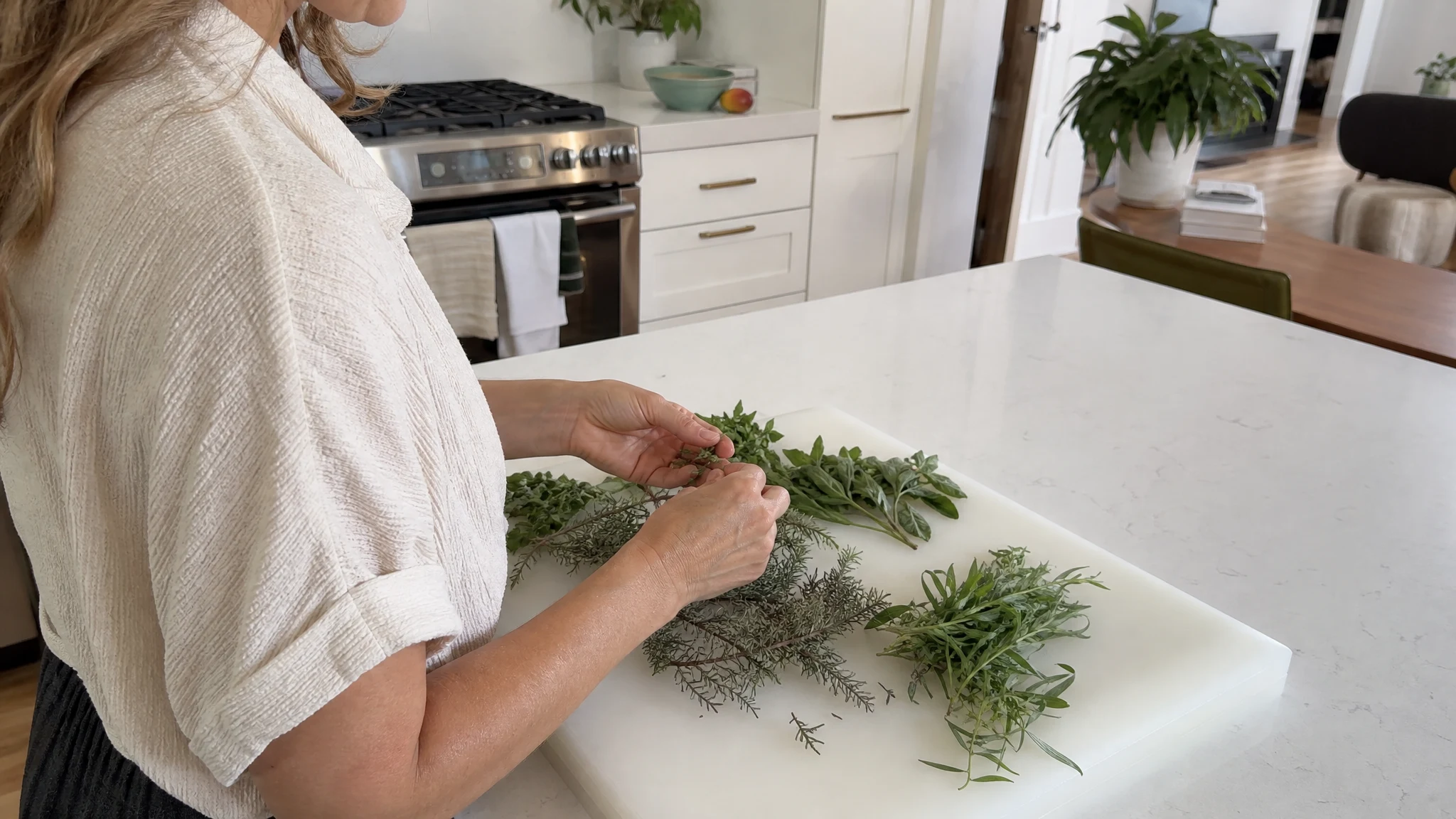
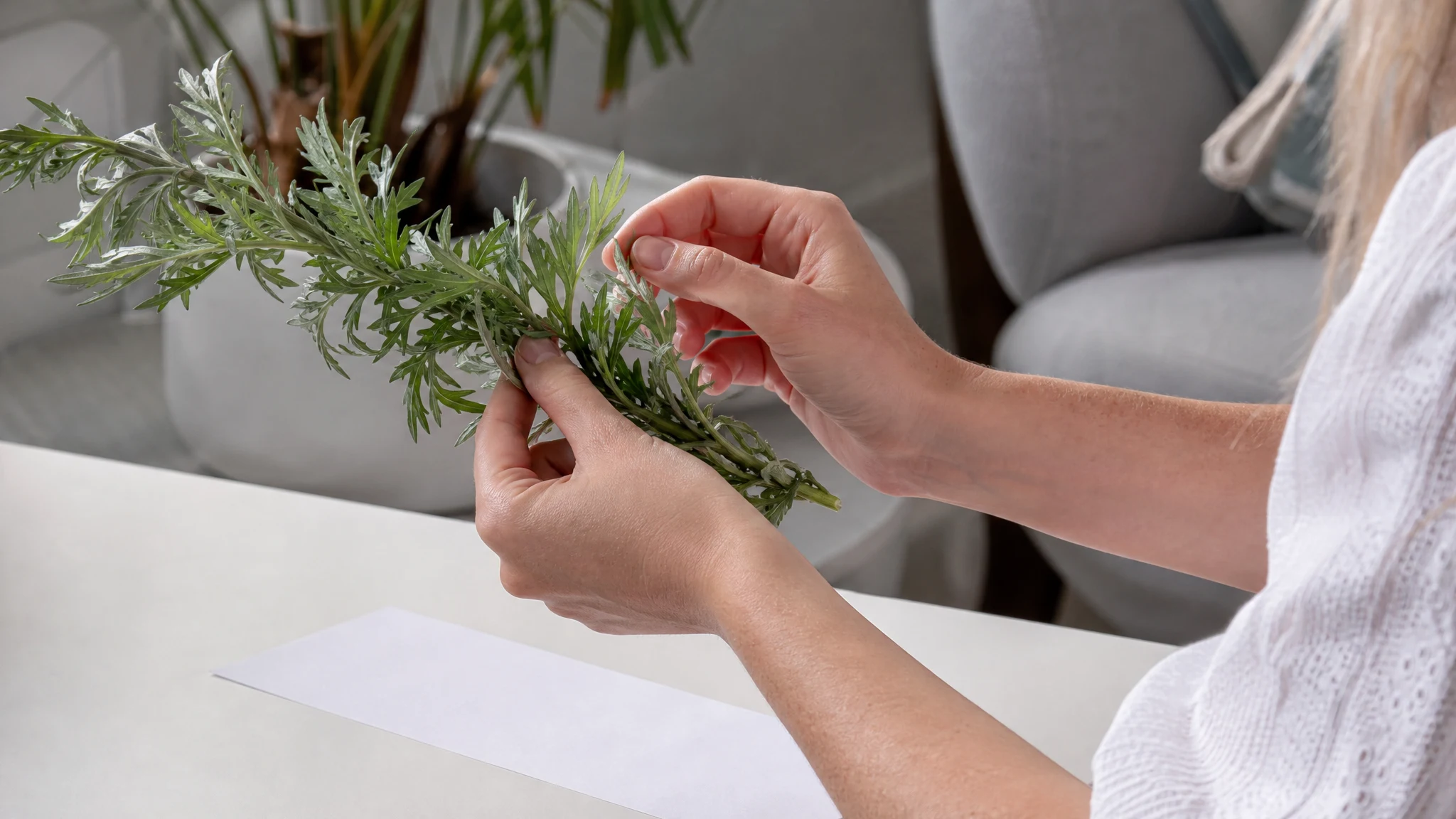
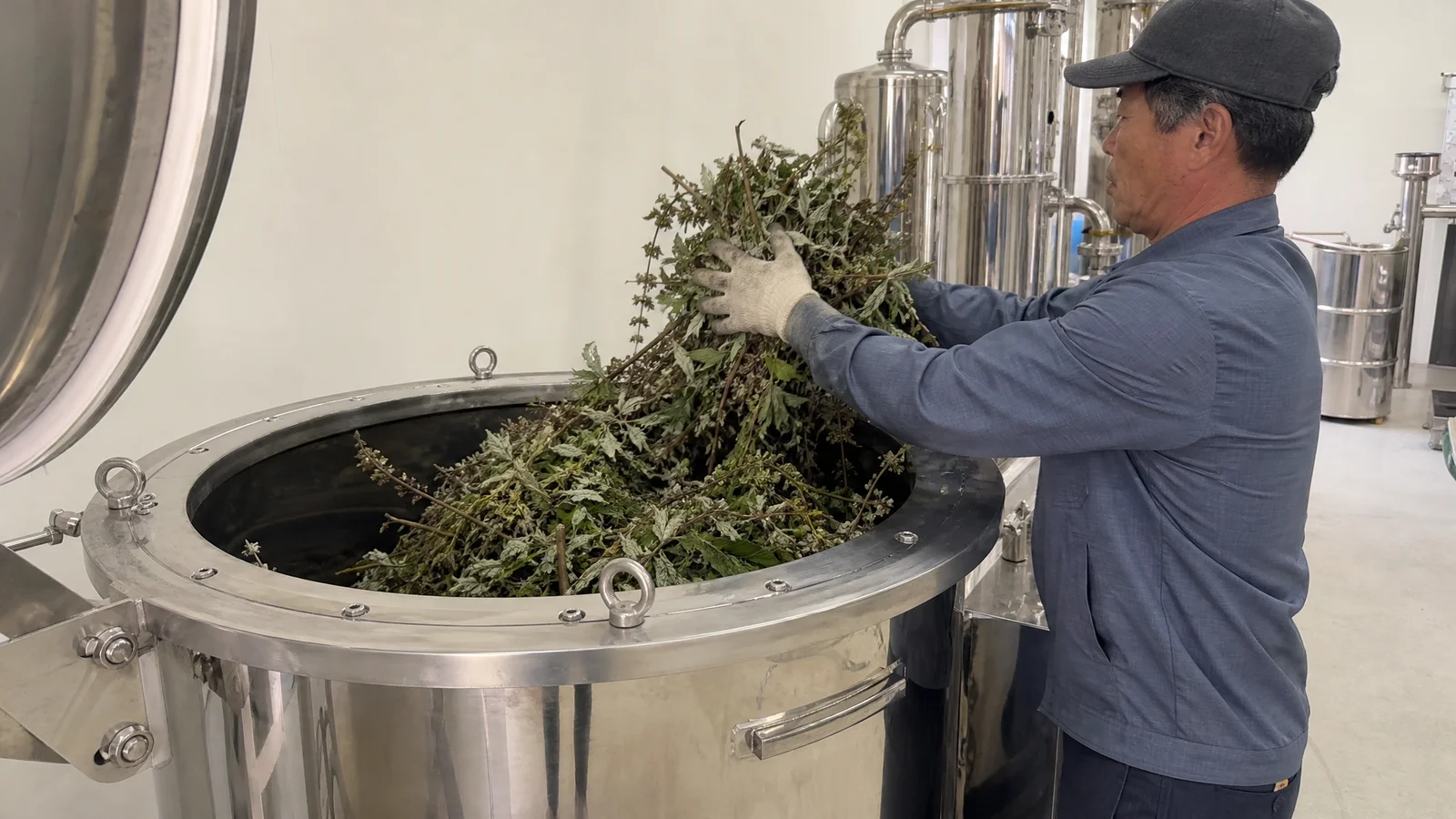
Dried mugwort looks like the obvious companion, but we do not sell it, so a herb shop is the place to go. Please do not wrap up a living root cutting: mugwort spreads by rhizomes and, according to the New York Invasive Species Information page, can regrow from fragments as small as 2 cm. If you grow and dry your own, our identifying and harvesting guide covers the plant itself.
Say what it smells like
A good gift card describes the surprise. Mugwort oil is green and bitter with a camphor-like edge, sage-like and herbaceous, with a curious sweet note underneath, and it is not a scent everyone expects. Tell your friend that, and suggest they open the bottle in a ventilated room and take a single slow breath from a few inches away before deciding what to make with it. Anyone who enjoys the smell of crushed leaves or a walk along a hedgerow will recognise the neighbourhood.
Wrap it with a project in mind, too. A little tag that reads "for your first candle" is more fun to open than a bare bottle.
Keep the card honest
Mugwort has a long folk history tied to dream pillows and seasonal rites across Europe and Asia, and that makes a charming line on a card as history. We stop there, because our oil is a fragrance material and not a sleep, dream or protection product. A maker who plans to sell what they make can ask us in writing, through the contact page, for the safety data they need before they price anything, and the wholesale page explains sample bottles.
Chosen for the right person, a small bottle of mugwort oil is a gift of curiosity: one strange, green, wonderful ingredient and a reason to start a new project.
Mugwort Essential Oil
Mugwort Essential Oil from our own shop, in sizes from 0.5 oz to bulk.
From $16.99
Shop Now →Sources & Further Reading
- European Medicines Agency, HMPC: Public statement on the use of herbal medicinal products containing thujone (EMA/HMPC/732886/2010 Rev. 1)
- Tisserand Institute: How to Use Essential Oils Safely
- IFRA Standards, 51st Amendment (January 2024), Thujone Standard
- New York Invasive Species Information: Mugwort