Mugwort Essential Oil FAQ: Smell, Safety and Storage
People ask us the same handful of things about mugwort oil, and they are good questions, because it is not the most familiar oil on the shelf. Here are straight answers, with sources where a claim needs one.

Mugwort Essential Oil
Our own Mugwort Essential Oil, in sizes from 0.5 oz to bulk.
From $16.99
Shop Now →What is mugwort essential oil?
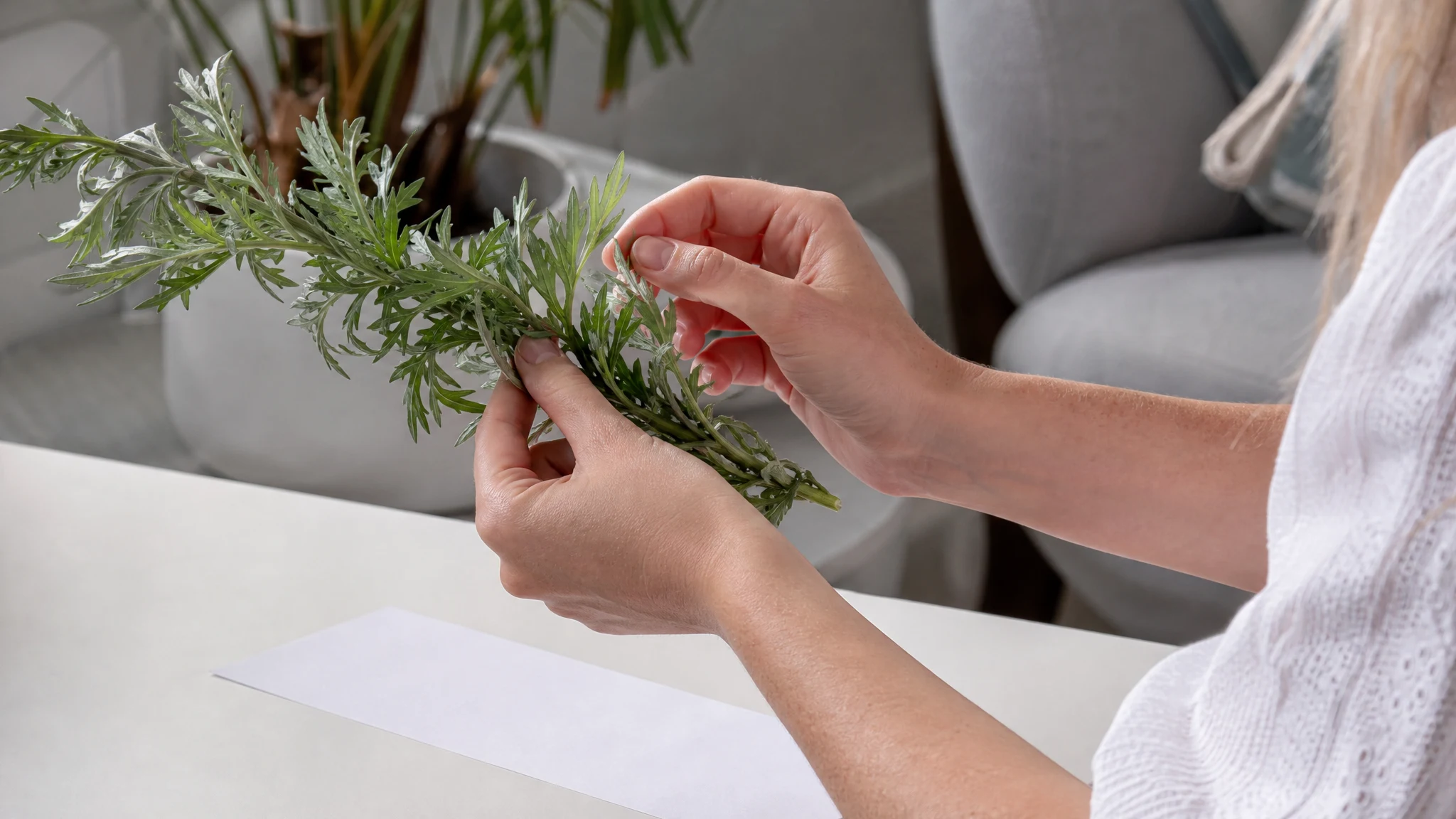
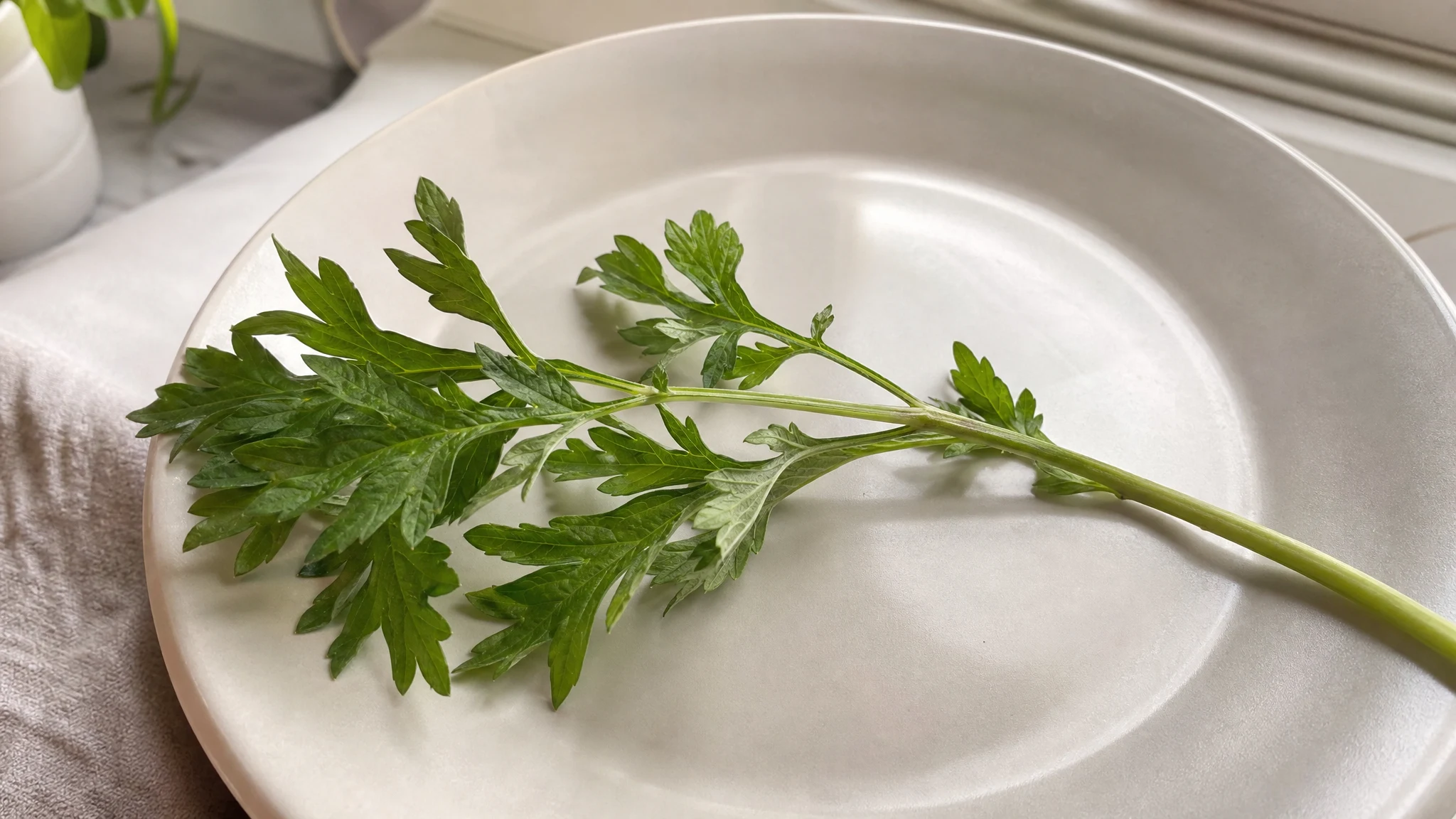
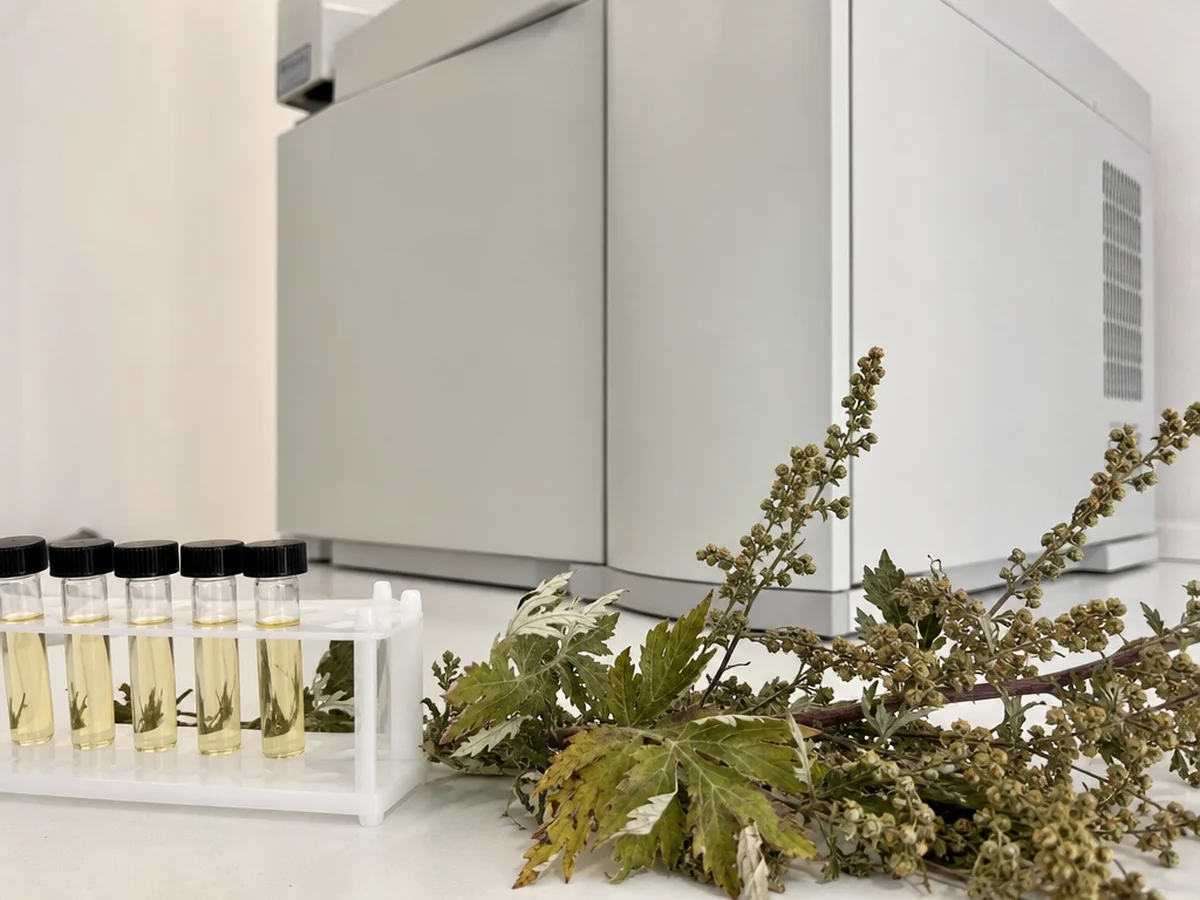
It is the aromatic oil steamed out of the leafy parts of a mugwort plant. Mugwort belongs to the huge Artemisia genus, which a 2022 review counts at more than 400 species (Sharifi-Rad et al.). We sell one mugwort oil, steam-distilled and sold neat with nothing added, in sizes from 0.5 oz up to bulk. No blends, no other oils. Our article on how it is made walks through the process.
What does it smell like?
Green, bitter and camphoraceous, with sage-like, herbaceous facets and a curious sweet undertone. If you like the smell of crushed leaves on a damp path, you are in the right neighbourhood. We list it as a middle note, and it pairs well with cedarwood, clary sage, juniper, frankincense and cypress. Our scent profile goes deeper.
Is one mugwort oil the same as another?
Not at all, and this is the thing we most like to get across. Published analyses show enormous variation. A leaf oil of Artemisia argyi from Qichun, China, carried roughly 10% thujones (Guan et al., 2019), a cultivated Artemisia vulgaris oil from Brazil was led by caryophyllene at 37% with no thujone listed (Malik et al., 2019), and another argyi oil was led by cineole (Li et al.). Species, growing conditions and extraction method all leave their mark. The Certificate of Analysis we publish for one batch lists density and refractive index, and if you need a constituent report, write to us through the contact page before ordering. Our composition article compares the published analyses.
Is it the same as wormwood oil?
No. Both are Artemisias and both can carry thujone, a compound the European Medicines Agency notes is found in cedar leaf, sage, tansy, wormwood, thyme and rosemary (Public statement on the use of herbal medicinal products containing thujone). Their profiles differ and they should not be swapped in a formula. See mugwort vs wormwood.
Can I put it on my skin?
We sell it as an oil for fragrance craft rather than body care. For anyone who does use it on skin, our guidance is a dilution of 0.5% to 2% in a carrier oil with a patch test first, and we would start at the low end. The industry's thujone limit is a useful yardstick: IFRA caps thujone at 0.095% in body oils and lotions (IFRA, 51st Amendment Standards compilation, Thujone Standard). As arithmetic, a 0.5% oil load stays under that cap only if the oil is at most 19% thujone, and a 2% load only if it is at most 4.75%. That is why we point curious makers to candles, incense and potpourri first.
Who should avoid it?
Please skip it during pregnancy or nursing, and keep it away from children, pets and eyes. The EMA notes that no studies exist that would let anyone assess thujone exposure in pregnant women and children, so it advises minimising their use of thujone-containing products. The Tisserand Institute likewise advises anyone pregnant to speak to a doctor or suitable practitioner before using essential oils (Safety Guidelines - Tisserand Institute). If you are allergic to mugwort pollen, read our allergy article first, and for animals there is mugwort oil and pets.
Can I swallow it?
No, and we never recommend swallowing any essential oil. The EMA record includes severe human poisonings after consumption of thujone-rich essential oil. If someone has swallowed any, call a doctor or your local poison centre straight away.
Does it help with sleep or dreams?
We do not claim that. Mugwort's dream reputation is folklore, and a 2024 review of lucid-dream substances mentions it as a traditional dream-intensifying herb without citing a mugwort trial (Oldoni et al., 2024). The dream pillow is a lovely bit of history, which we enjoy in our dream pillow article. For sleep trouble, a physician is the right first call.
How should I smell it for the first time?
Slowly, and not straight from the bottle. Open the cap in a ventilated room, hold it a few inches from your nose and take one gentle breath. Better still, put a drop on a strip of plain paper and wave it about. The first impression is green and sharp, and given a minute you may notice the sweeter undertone arrive. Put the cap back right away and rest your nose before trying anything else.
What is a good first project?
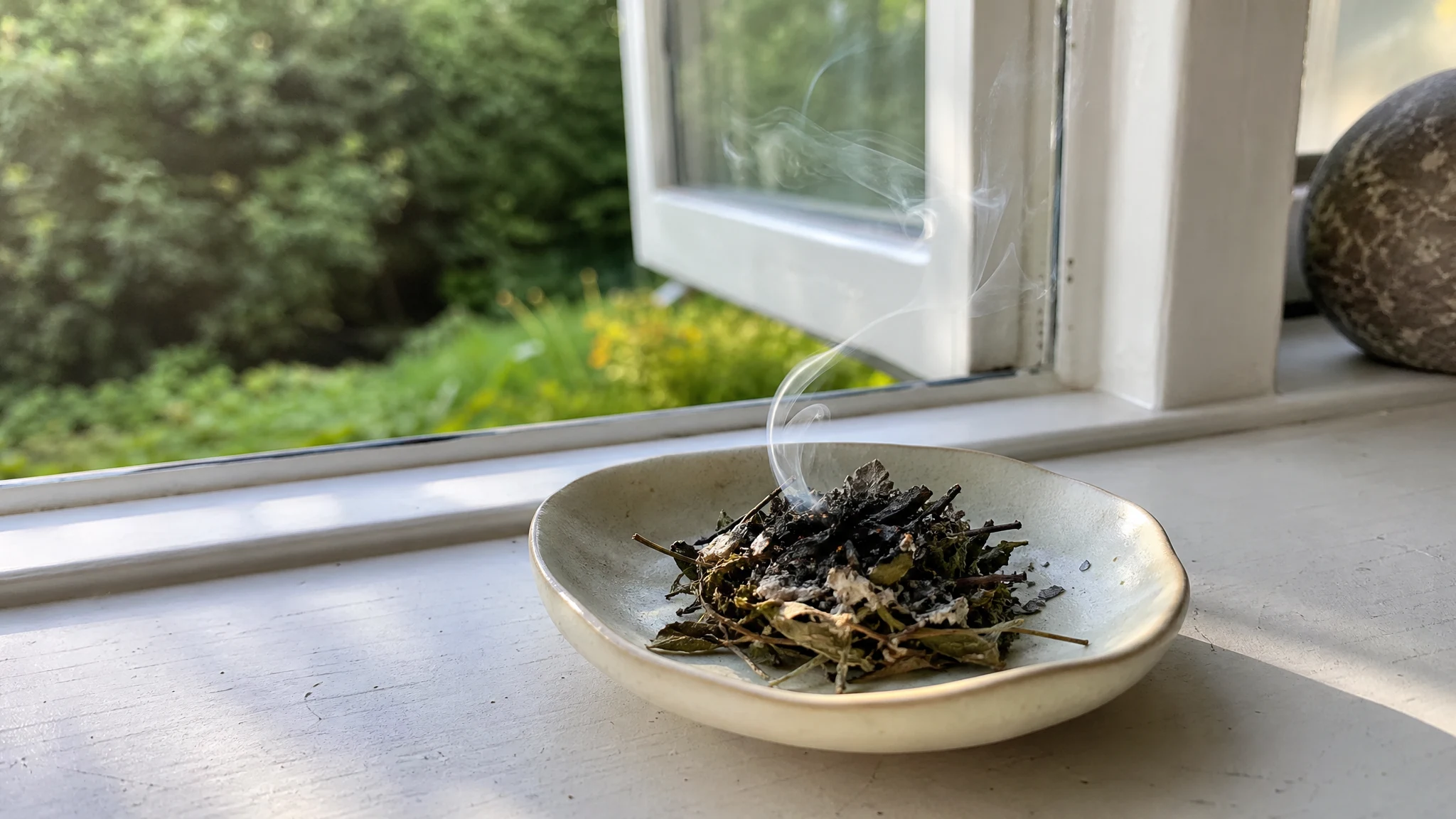
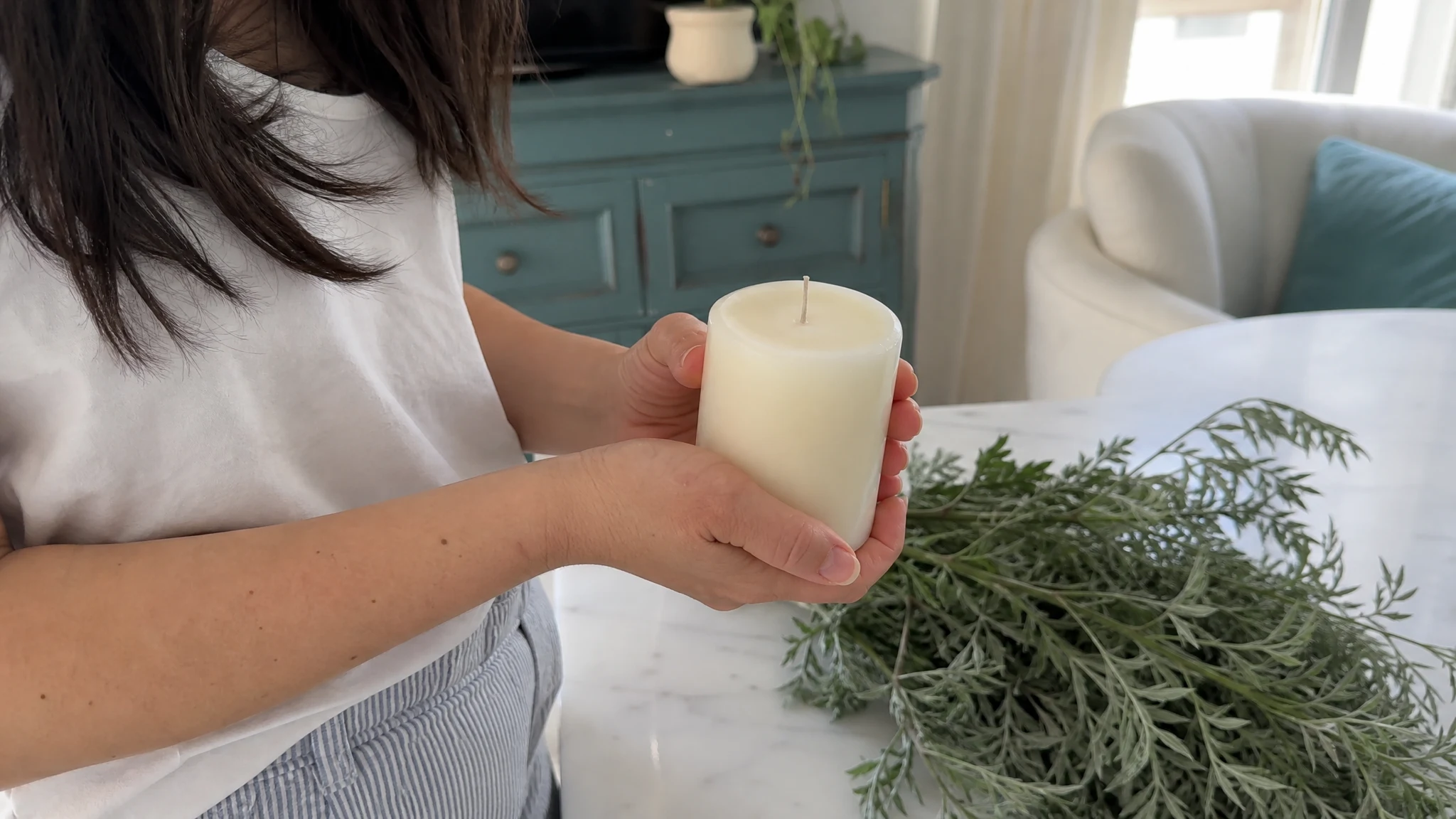
Something small and forgiving, where one drop makes a difference. A pinch of dried herb and a drop or two in a potpourri jar, a few drops in a candle trial, or a perfume accent of "a drop or two" are the uses we list. Weigh your amounts if you can, write them down, and change one thing at a time. Wax, jars, resins and the rest come from a craft or candle-supply shop, since we sell the oil only.
How long does it keep?
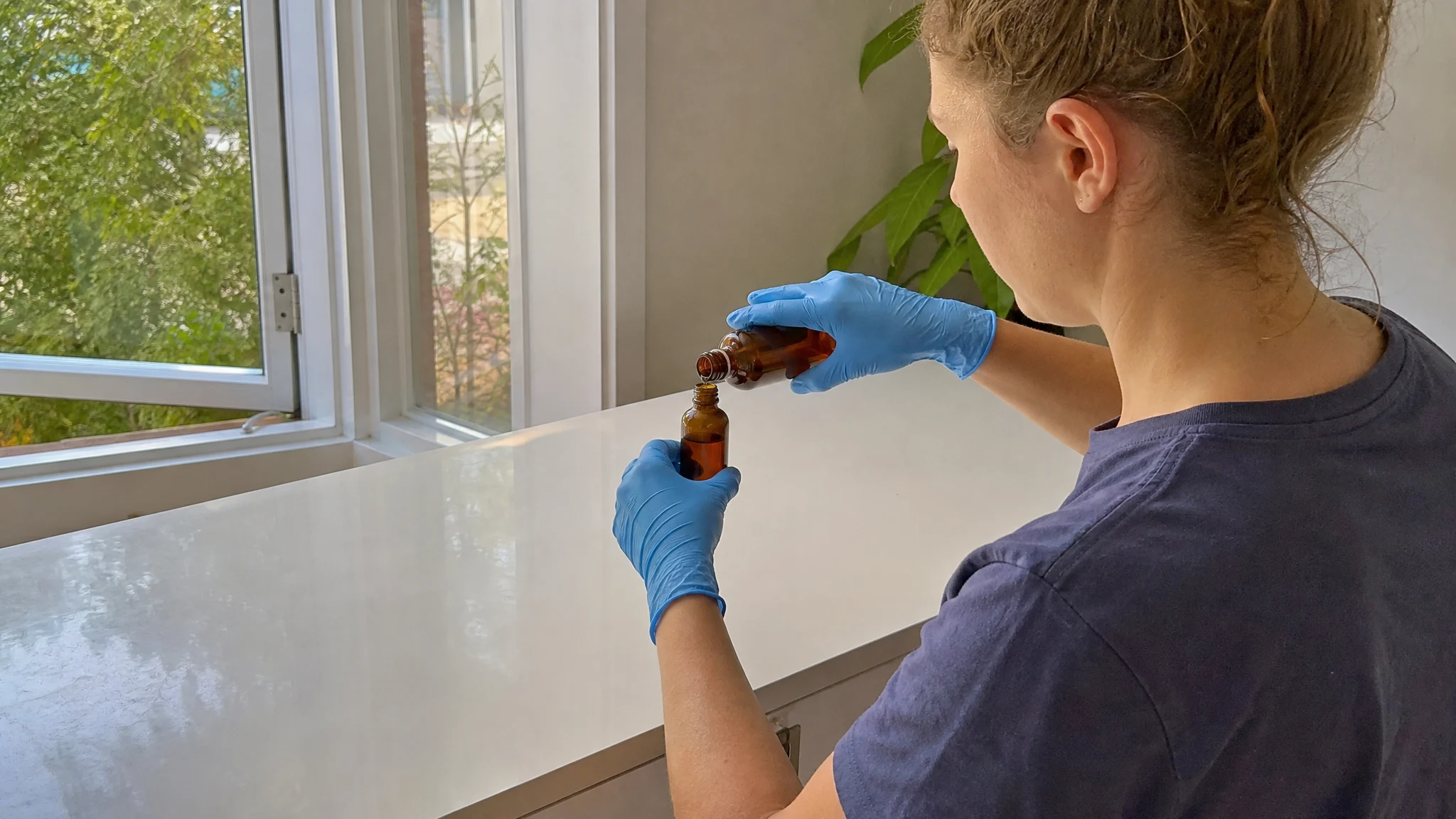
Typically 2 to 3 years, kept tightly capped somewhere cool and dark. If you are working from a large bottle, decant what you need into a smaller airtight one. More tips in how to store mugwort oil.
Anything we missed? Write to us on the contact page and we will answer in writing. Wholesale questions, such as sample bottles, belong on the wholesale page.
Whatever you decide to make, start small, write things down and let your nose lead the way.
Mugwort Essential Oil
Mugwort Essential Oil from our own shop, in sizes from 0.5 oz to bulk.
From $16.99
Shop Now →Sources & Further Reading
- Sharifi-Rad J, et al. 2022. Artemisia spp.: An Update on Its Chemical Composition, Pharmacological and Toxicological Profiles. PMC9467740
- Guan X, et al. 2019. Chemical Composition and Antimicrobial Activities of Artemisia argyi Lévl. et Vant Essential Oils Extracted by Simultaneous Distillation-Extraction, Subcritical Extraction and Hydrodistillation. PMC6384757
- Malik S, et al. 2019. Chemical Profile and Biological Activities of Essential Oil from Artemisia vulgaris L. Cultivated in Brazil. PMC6631396
- Li D, et al. The antimicrobial effect and mechanism of the Artemisia argyi essential oil against bacteria and fungus. PMC10920523
- European Medicines Agency, HMPC. Public statement on the use of herbal medicinal products containing thujone (EMA/HMPC/732886/2010 Rev. 1). ema.europa.eu
- IFRA, 51st Amendment Standards compilation, Thujone Standard. IFRA Standards
- Safety Guidelines - Tisserand Institute. tisserandinstitute.org
- Oldoni AA, et al. 2024. Neuropsychopharmacological Induction of (Lucid) Dreams: A Narrative Review. PMC11119155