What Is Mugwort Essential Oil? Scent, Uses and Limits
Mugwort essential oil is a specialist's material: green, bitter, a little camphory, and nothing like the soft florals and citrus oils that fill most shelves. If you have ever wanted an ingredient that makes people stop and say "what is that?", this is one. It also rewards a bit of understanding, because no two mugwort oils are quite alike.

Mugwort Essential Oil
Our own Mugwort Essential Oil, in sizes from 0.5 oz to bulk.
From $16.99
Shop Now →"Mugwort" is a name for several plants
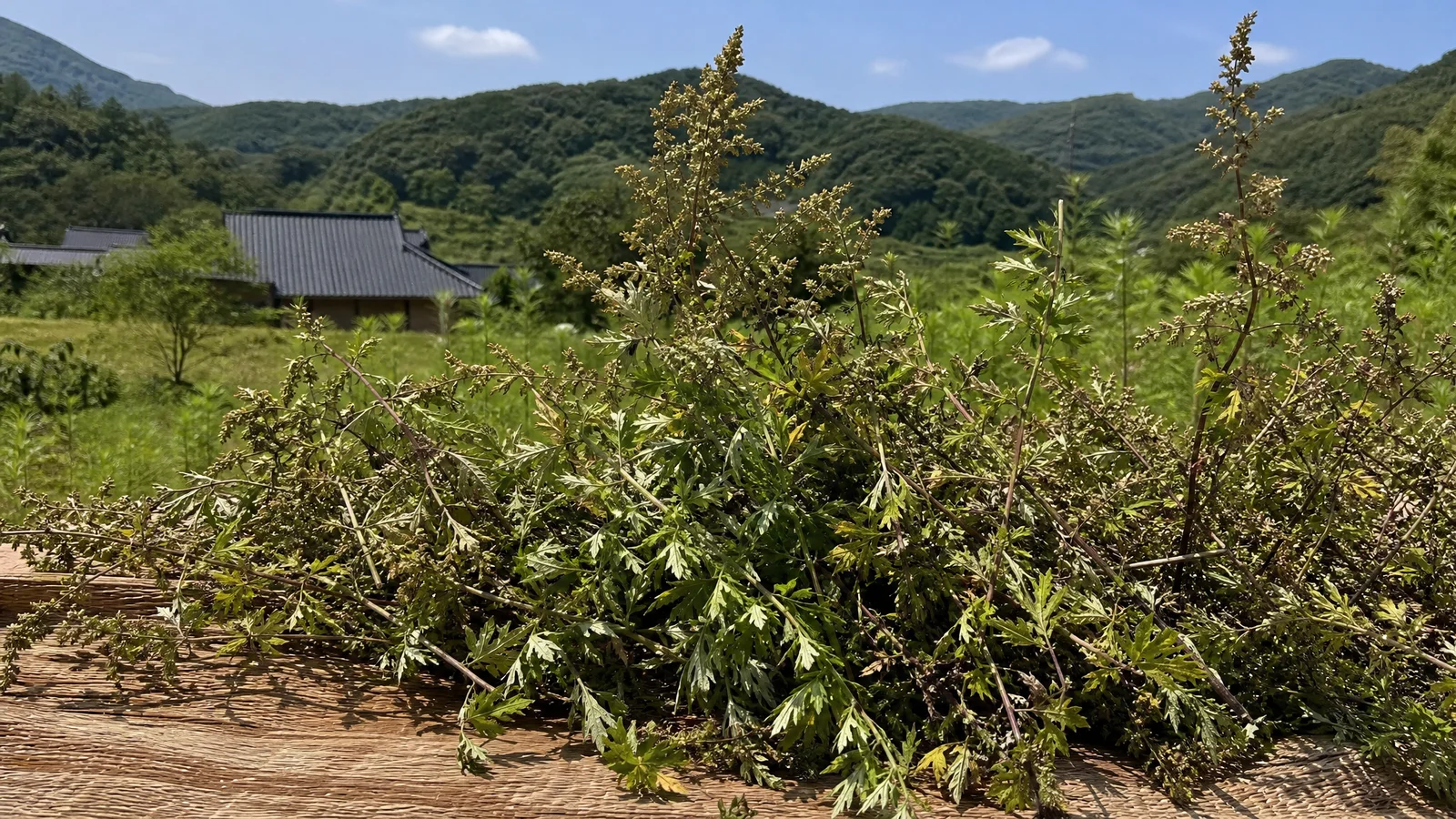
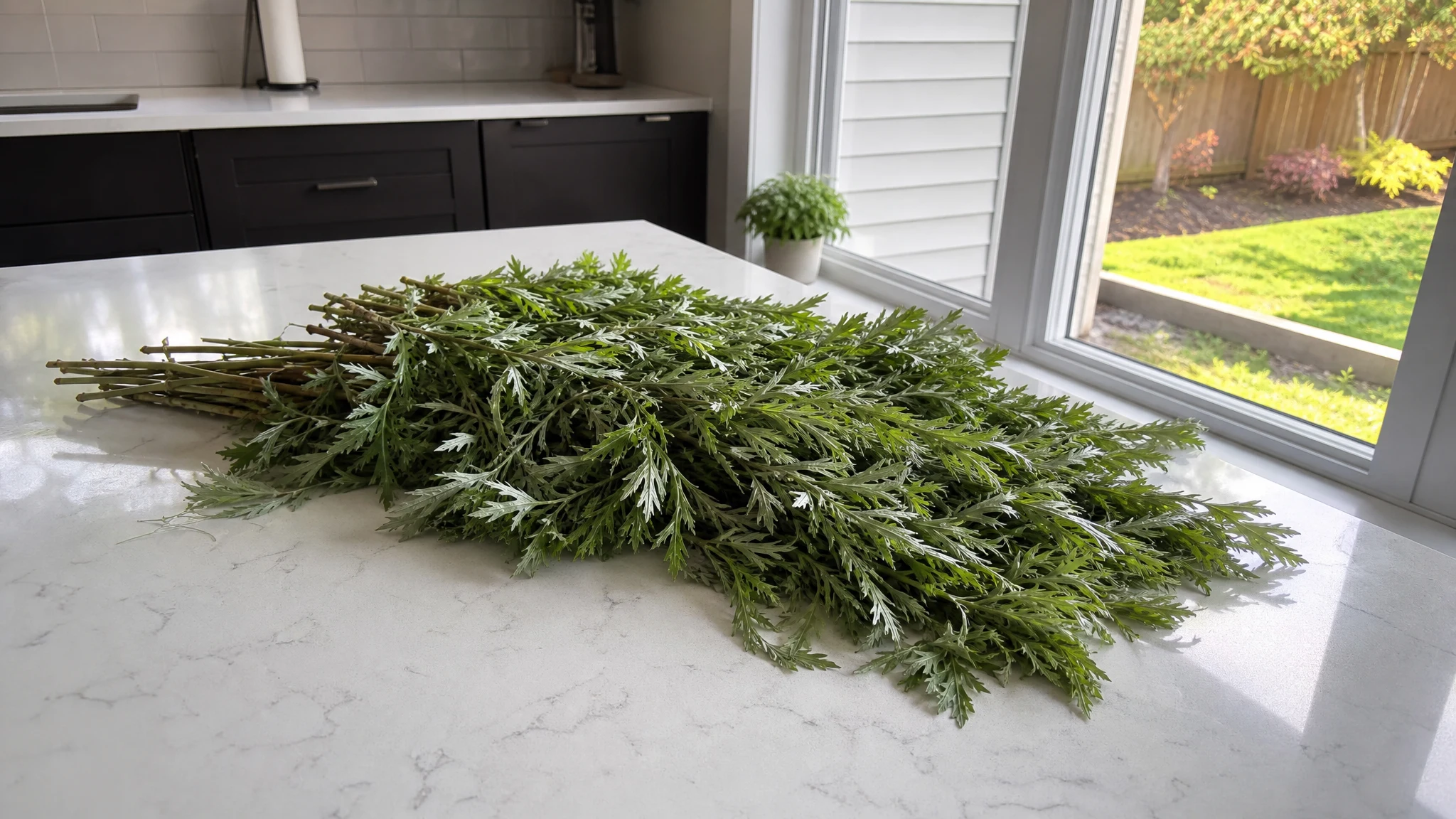
The genus Artemisia is huge, with more than 400 species according to one 2022 review, and sellers use "mugwort" for more than one of them. That is why the botanical name and the batch paperwork matter more than the word on the front of the bottle. When they name the same plant, you know what you hold; our label-reading article shows how to check. The same review notes that skin contact with various Artemisia species has caused dermatitis, attributed to compounds called sesquiterpene lactones, which is worth knowing if you react to daisy-family plants. Our mugwort allergy article separates the pollen, skin and oil questions.
A small yield from a lot of leaf
Oils like this come from steam distillation or hydrodistillation of the leaves or aerial parts, and ours is steam-distilled and sold neat, with no additives or fillers. The yield is modest. In one study of Chinese leaves, four hours of hydrodistillation gave 0.50% oil by dry weight, which works out to about 5 g of oil from every kilogram of dried leaf. How the oil is made changes what is in it too. The same leaves put through hydrodistillation and subcritical extraction gave visibly different oils, with caryophyllene at 7.5% in one and 20% in the other. So when a page says "mugwort oil contains X%", the fair follow-up is: which species, which part, which method? The composition article compares published analyses, and how mugwort oil is made goes through the process.
What it smells like
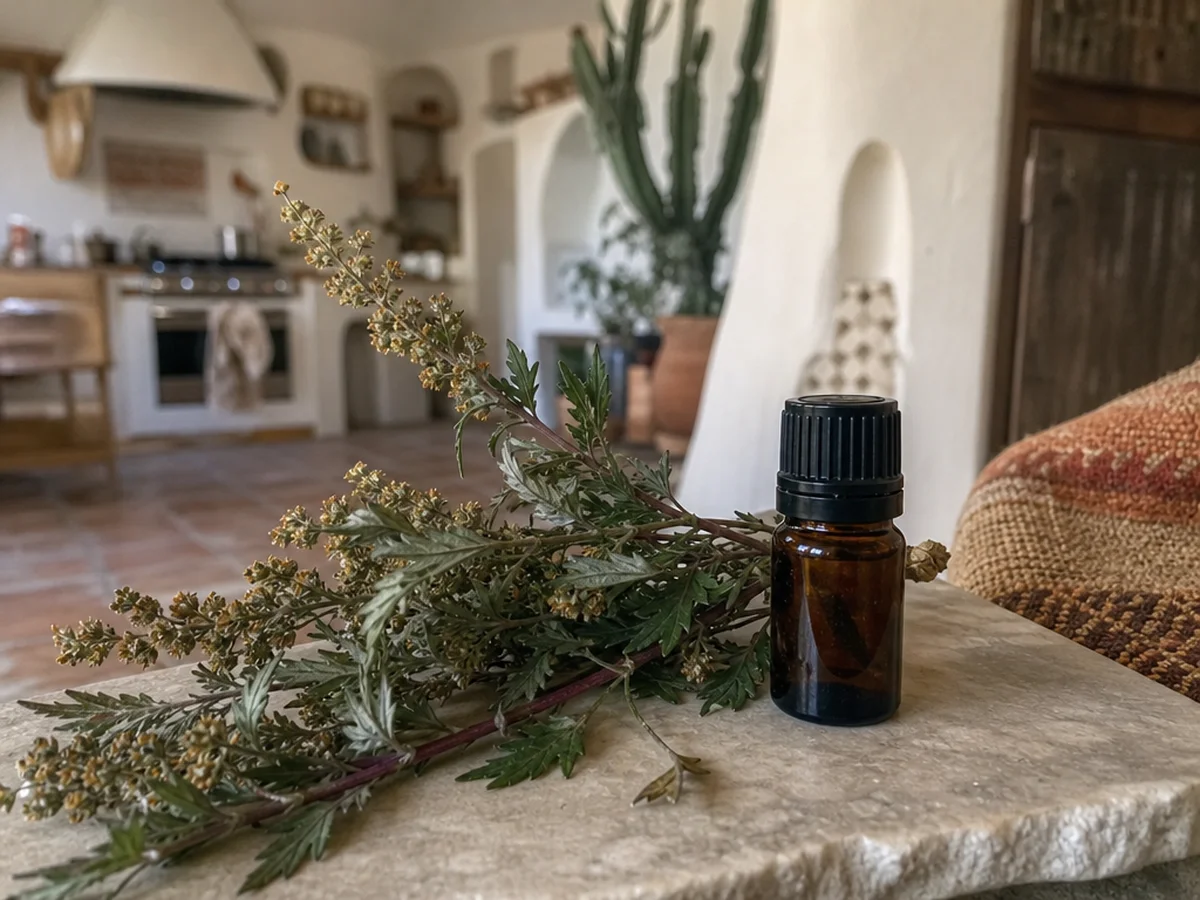
We describe the aroma as green, bitter and camphoraceous, with sage-like, herbaceous facets and a curious sweet undertone, and we list it as a middle note. It is a concentrated material, so think in drops rather than splashes. Cedarwood, clary sage, juniper, frankincense and cypress are the partners we would suggest in a blend, though we sell only the mugwort, so you will find those elsewhere. The scent profile article takes the description apart word by word.
An old plant with a long story
People have used the plant for a very long time. A 2026 review of Artemisia argyi oil notes more than 2,000 years of use in Eastern countries and cites moxibustion texts from the Southern and Ming dynasties, and in Europe and Asia mugwort is tied to dream pillows and seasonal folk rites. We enjoy that history and share it as history; our oil is a fragrance material, not a remedy, supplement or sleep product. The old sources are collected in mugwort in folk magic and witchcraft.

The one limit worth knowing
Mugwort oils can carry thujone, and thujone is the constituent with a rule attached. The fragrance industry's IFRA Standard restricts it in finished products by category, citing neurotoxicity: 1.4% in fine fragrance, 0.095% in body creams and oils, 0.13% in rinse-off cleansers and 9.5% in candles and incense. Those caps apply to the finished product, so the room an oil has depends on how much thujone it contains, and the right dilution for one lot is not automatically right for another. The European Medicines Agency's herbal committee, writing about oral products, records severe poisonings after thujone-rich essential oil and notes that no studies allow a reliable assessment for pregnant women or children. We never recommend taking essential oil internally.
Our guidance for skin is to dilute to 0.5% to 2% in a carrier oil and patch test first, keep the oil away from eyes, children and pets, and avoid it during pregnancy. We start at the low end, and we do not call 2% safe for every lot or every person. The safety article works through the sums, and if you want a thujone figure for a lot you are planning to use, ask us in writing through the contact page.
Meeting it for the first time
If this is your first bottle, go slowly. Open it away from your face, smell it from a hand's width, and then put a single drop on a blotting strip so you can come back to it as it changes. A bold material like this is easier to love once you stop expecting it to behave like lavender or orange, and it helps to give it a place in a small project before you plan a big one.
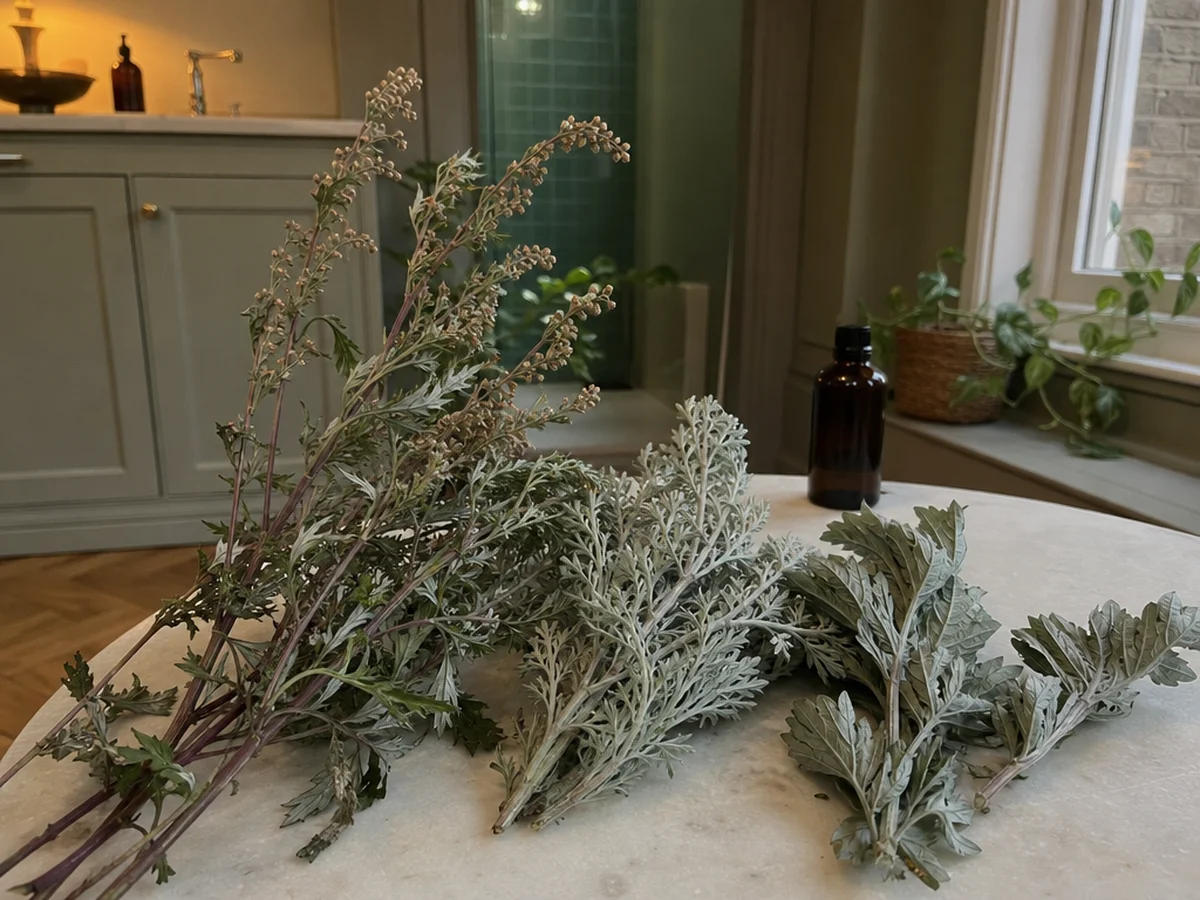
A notebook beside the bottle is a good companion. Jot down what you smelled, what you added and how much, so that your second project is easier than your first.
Who it suits
Mugwort oil suits a maker who wants a green, bitter note for incense, candles, potpourri or a perfume accent and who enjoys doing the arithmetic for the product. It is not the oil for someone after a skin product or a general-purpose scent, and it is not for anyone who is pregnant or nursing, has a seizure history, or is buying for a child or a pet. If you are still choosing, mugwort vs clary sage and mugwort vs wormwood oil place it among its relatives.
It is a small, characterful oil with a big history, and once you have met its quirks you are unlikely to mistake it for anything else.
Mugwort Essential Oil
Mugwort Essential Oil from our own shop, in sizes from 0.5 oz to bulk.
From $16.99
Shop Now →Sources & Further Reading
- Artemisia spp.: An Update on Its Chemical Composition, Pharmacological and Toxicological Profiles
- Chemical Composition and Antimicrobial Activities of Artemisia argyi Lévl. et Vant Essential Oils Extracted by Simultaneous Distillation-Extraction, Subcritical Extraction and Hydrodistillation
- Pharmacological and bioactive properties of Artemisia argyi H. Lév. & Vaniot essential oil: a review
- IFRA Standards, 51st Amendment (January 2024), Thujone Standard
- European Medicines Agency, HMPC: Public statement on the use of herbal medicinal products containing thujone (EMA/HMPC/732886/2010 Rev. 1)